Understanding Equipment Transportation
The Basics of Equipment Transportation
Equipment transportation refers to the process of moving machinery and heavy equipment from one location to another. This service is crucial in construction, manufacturing, and agricultural industries, where the use of specialized machinery is necessary. Proper planning and execution of equipment transportation can improve efficiency and minimize downtime for projects. Understanding the requirements and logistics involved in this process can help businesses optimize their operations. A focus on equipment transportation will ensure streamlined operations and adherence to regulations that govern this critical industry.
Types of Equipment Transport Options
There are several types of transportation options to consider when moving equipment:
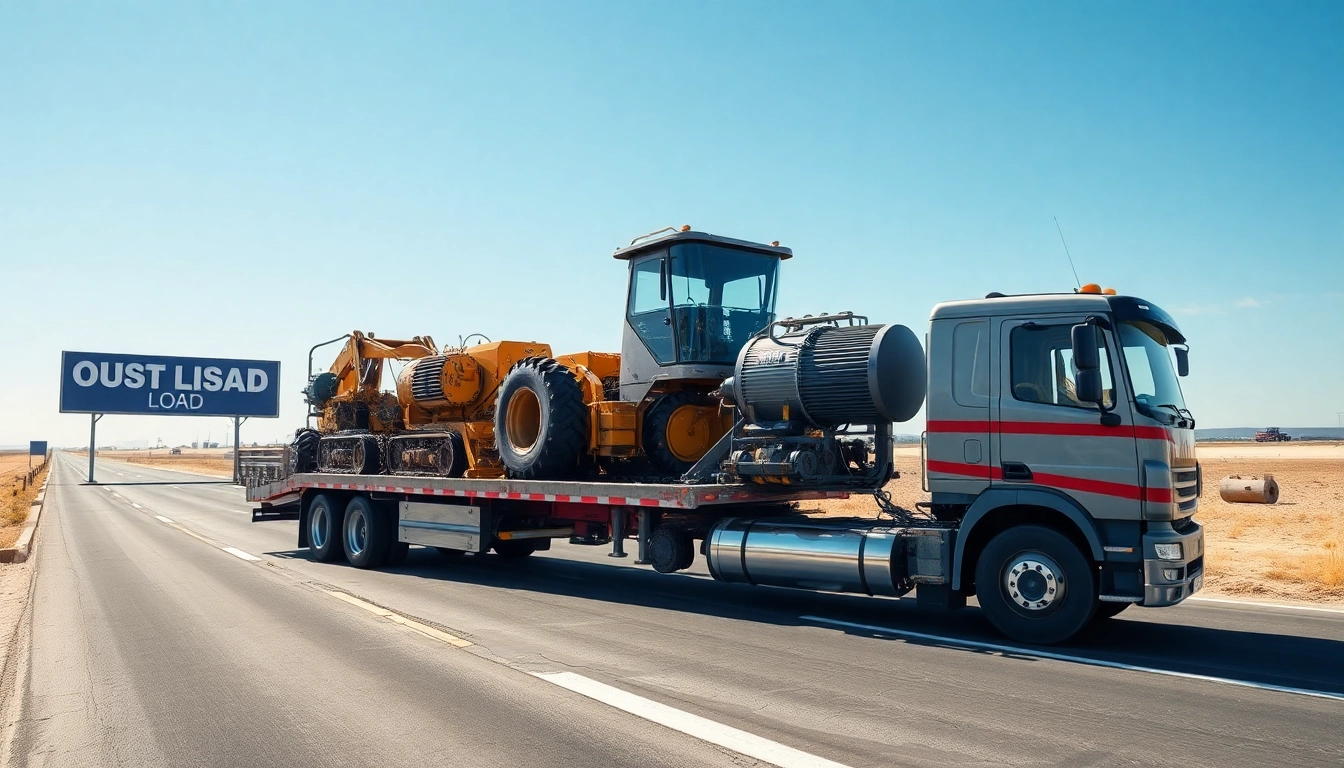
- Flatbed Trucking: Ideal for transporting heavy machinery that does not require enclosures. Great for large items like bulldozers, excavators, and forklifts.
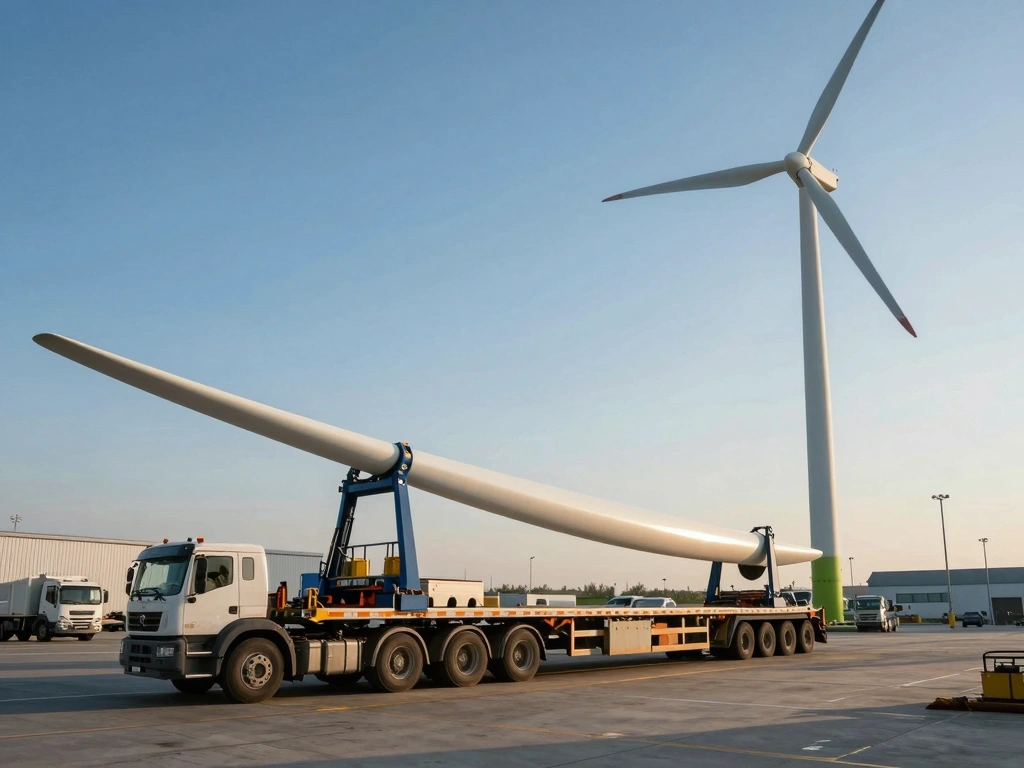
- Lowboy Trailers: These are specialized trucks designed to carry heavy loads with a lower center of gravity, making them perfect for transporting oversized equipment.
- Step Deck Trailers: Similar to lowboys but with a step in the deck height, allowing for taller equipment to be transported.
- Multi-Axle Trailers: Used for transporting extremely heavy loads that require additional support.
- Rail Transport: Often used for international shipping, rail transport can be a cost-effective solution for highly heavy and large equipment.
- Air Freight: For urgent shipments that require quick delivery, air transport is best suited, albeit at a higher cost.
Key Factors Influencing Equipment Transportation
Numerous factors influence the choice and cost of equipment transportation:
- Type and Size of Equipment: Heavier and larger machinery typically costs more to transport due to the need for specialized vehicles.
- Distance: The farther the destination, the higher the transport costs, influenced by fuel prices and driver expenses.
- Route Conditions: Difficult terrains may require special equipment and careful planning, affecting overall costs and logistics.
- Regulatory Compliance: Transporting heavy equipment may require special permits based on local laws, adding additional time and cost.
- Insurance Requirements: Protecting equipment during transport is crucial and often necessitates obtaining insurance, which may increase costs.
Planning Your Equipment Transportation
Assessing Equipment Needs
To efficiently plan for equipment transportation, first, assess the specific needs of your project:
- Identify all necessary equipment and its specifications.
- Prioritize the transportation of essential machinery to meet project deadlines.
- Consult with transport specialists to understand compatibility with available transportation options.
Choosing the Right Transport Method
Selecting the right method for transporting equipment involves evaluating various aspects:
- Match the transportation option with the size and type of equipment.
- Consider urgency and budget constraints.
- Research transport providers to find those who specialize in your type of equipment.
Scheduling and Logistics Best Practices
Effective scheduling and logistics are key to minimizing delays and ensuring a smooth transportation process:
- Plan transportation schedules well in advance to accommodate any permit requirements.
- Communicate timelines with all involved parties to avoid misunderstandings.
- Implement tracking mechanisms to monitor transportation progress and address issues in real-time.
Costs Associated with Equipment Transportation
Price Factors in Equipment Transportation
Understanding what drives costs in equipment transportation allows better budget planning. Factors include:
- The distance being covered.
- The weight and dimensions of the equipment.
- Type of vehicle needed for the transport.
- Loading and unloading requirements at both origin and destination.
- Seasonal variability in rates, which can fluctuate from peak to off-peak seasons.
Comparative Pricing Models
Businesses may encounter various pricing models when dealing with transport services. Some common models include:
- Flat Rate: A set price regardless of the distance.
- Per Mile Rate: Charges based on the distance traveled, which may vary based on load type.
- Weight-Based Pricing: Costs determined by the weight of the equipment being transported.
Estimating Your Transport Costs
To get an accurate estimate of transport costs, consider the following steps:
- Gather equipment dimensions, weight, and special requirements.
- Consult with multiple transport providers to compare quotes.
- Request detailed breakdowns of costs to identify potential hidden fees.
Ensuring Safe Equipment Transportation
Safety Protocols in Transporting Equipment
Safety should always be a priority during equipment transportation:
- Conduct thorough inspections of both the equipment and transport vehicle before loading.
- Secure loads properly to prevent movement during transport.
- Train staff on safety procedures and emergency protocols.
Permits and Regulations
Adhering to local, state, and federal regulations is essential when transporting heavy equipment:
- Determine if permits are needed for oversized loads.
- Understand weight limits and road restrictions.
- Maintain compliance with transport regulations to avoid fines or delays.
Preventative Maintenance for Transport Vehicles
Regular maintenance on transport vehicles is crucial to ensure reliability during equipment transit:
- Implement scheduled maintenance checks to address wear and tear.
- Monitor tire conditions, brakes, and engine performance closely.
- Keep maintenance records to identify any recurrent issues.
Future Trends in Equipment Transportation
Innovations in Heavy Equipment Transport
As technology advances, equipment transportation is evolving:
- Use of GPS and tracking systems improves routing and efficiency.
- Emergence of autonomous vehicles may reduce labor costs in transport.
- Industry 4.0 practices such as IoT devices optimize logistics solutions.
Green Initiatives in Transportation
Environmental concerns are shaping future transportation practices:
- Implementation of eco-friendly fuel options.
- Utilization of fuel-efficient vehicles to minimize emissions.
- Incorporating sustainable packaging and transport methodologies.
Technological Advances and Their Impact
Technological advancements inevitably impact the efficiency and safety of equipment transportation:
- Automation in loading and unloading to reduce manual handling.
- Use of drones for quick assessments of equipment condition before transport.
- Enhanced communication systems for real-time updates between suppliers and transporters.
FAQs
How much does it cost to transport equipment?
Costs typically range from $2 to $5 per mile, influenced by equipment weight, size, and distance.
What are the main types of transport?
The four main types of transport are road, rail, air, and water transport, each serving different needs.
What is the cheapest mode of transport for heavy goods?
Water transport is the most cost-effective way to carry heavy and bulky goods over long distances.
How do I choose the right equipment transport service?
Evaluate service providers based on experience, safety records, and customer reviews to ensure quality service.
What permits are needed for transporting oversized loads?
Permits vary by state and route; it’s critical to check local regulations for oversized load transportation requirements.
Contact Information
Call Us: 4062607988Address: 3906 MT-40, Columbia Falls, MT 59912