Understanding Integrated Modular Systems
Integrated Modular Systems (IMS) represent a significant evolution in engineering and design, particularly in industries focused on efficient water treatment solutions. These systems integrate various functionalities into a cohesive framework, allowing for optimized performance and adaptability across multiple applications. When exploring options, Integrated Modular Systems provide comprehensive insights into meeting specific water challenges while ensuring environmental sustainability.
What Are Integrated Modular Systems?
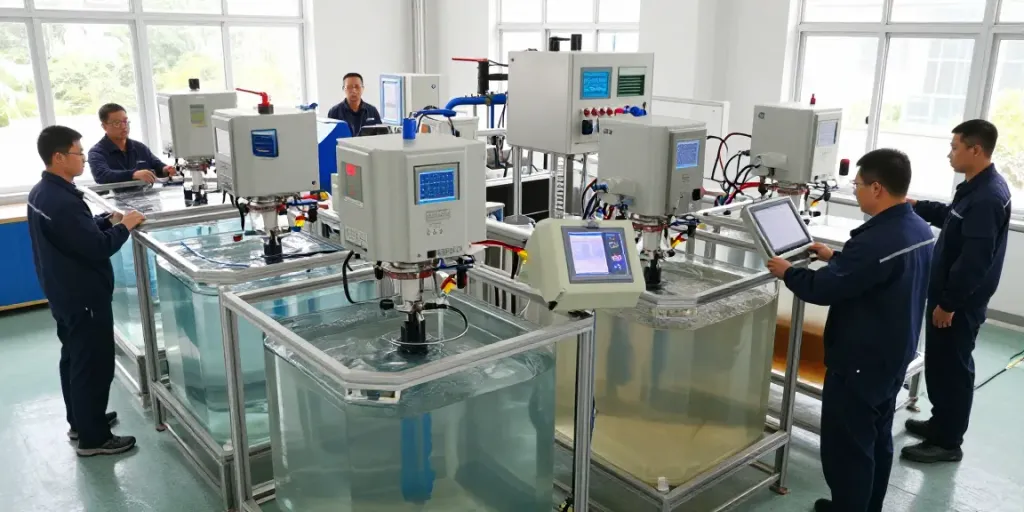
Integrated Modular Systems are designed to consolidate multiple operational components into a unified structure. This modular approach allows for scalability and flexibility, catering to diverse needs—from municipal water treatment to industrial wastewater management. An example of this can be found in QILEE’s systems, which combine advanced filtration technologies with chemical treatment methods, enhancing overall water quality and compliance with regulatory standards.
The Evolution of Modular Systems in Water Treatment
The transition towards integrated modular solutions in water treatment has been driven by the growing need for efficient resource management and technological advancements. Traditionally, water treatment facilities operated on fixed, linear systems, which often led to inefficiencies and high operational costs. The advent of integrated modular systems has changed this dynamic by allowing facilities to adapt quickly to changing regulations and fluctuating water demands.
Key Components of Integrated Modular Systems
- Integrated Membrane Water Treatment System: Employs membrane filtration technology for effective separation of contaminants.
- Chemical Treatment System: Utilizes chemical processes to neutralize pollutants, ensuring safe water discharge.
- DAF Integrated Treatment System: Dissolved Air Flotation (DAF) technology works to effectively remove suspended solids without the need for extensive gravity separation.
- Sludge Dewatering Modular System: Optimizes sludge handling through efficient dewatering techniques, reducing the volume and improving manageability.
Main Benefits of Integrated Modular Systems
The benefits of adopting integrated modular systems in water treatment are numerous, significantly enhancing operational efficiency and performance across various applications.
Efficiency and Cost-Effectiveness
One of the most significant advantages of integrated modular systems is their ability to improve operational efficiency. By consolidating multiple treatment processes into a single system, facilities can reduce energy consumption and operational costs. Additionally, the modular design allows for incremental upgrades, meaning that facilities can invest in improvements as budgets allow, rather than incurring significant upfront capital expenditures.
Adaptability to Various Applications
The adaptability of integrated modular systems makes them suitable for a broad range of applications. Whether it’s small-scale municipal systems or large industrial operations, these systems can be tailored to meet specific requirements. Their versatility is particularly valuable in situations where water quality standards may change, enabling operators to adjust their treatment methods accordingly.
Improved Performance and Reliability
Integrated modular systems are engineered to provide high-performance outcomes with greater reliability. The systems are designed for robust operation even under challenging conditions, such as high inflow rates or variable contaminant concentrations. This reliability is essential in maintaining compliance with environmental regulations and ensuring safe water supply.
Applications of Integrated Modular Systems in Water Treatment
Integrated modular systems have found numerous applications within the realm of water treatment, addressing both municipal and industrial needs effectively.
Municipal Water Treatment Facilities
Municipal water treatment facilities benefit greatly from integrated modular systems due to their capacity to handle varying water loads and qualities. The modular design allows for quick scaling up or down in response to demand, ensuring that communities receive safe and clean drinking water.
Industrial Wastewater Management
Industries often face complex wastewater challenges that require customized treatment solutions. Integrated modular systems, equipped with advanced treatment technologies, can efficiently remove contaminants such as heavy metals and organic pollutants. This not only protects environmental health but also ensures compliance with stringent industrial wastewater regulations.
Specialized Filtration Applications
In specialized filtration settings, such as in the food and beverage industry or pharmaceuticals, integrated modular systems can be tailored to meet specific filtration needs. By incorporating various filtration technologies, these systems can effectively remove pathogens and other harmful substances, ensuring product safety and quality.
Best Practices for Implementing Integrated Modular Systems
Implementing integrated modular systems requires careful consideration of various factors to maximize benefits and ensure efficiency.
Choosing the Right System for Your Needs
Before selecting an integrated modular system, it is crucial to assess your specific needs. Consider the type of contaminants present, regulatory requirements, and operational capacity. Engaging with a manufacturer like QILEE can provide valuable insights into system selection tailored to your requirements.
Installation and Maintenance Considerations
Proper installation is key to ensuring that integrated modular systems operate at peak performance. It is advisable to work with qualified professionals during the installation phase to avoid common pitfalls. Regular maintenance is also critical; scheduled inspections and servicing can prevent costly downtime and prolong system lifespan.
Integration with Existing Infrastructure
For many facilities, integrating new modular systems with existing infrastructure can present challenges. Conducting a thorough analysis of current operations and identifying potential integration points is essential. This step will facilitate a smoother transition and minimize disruptions in water treatment processes.
Future Trends in Integrated Modular Systems for 2026
The landscape of integrated modular systems is continually evolving, influenced by technological advancements and changing regulatory frameworks. Staying informed about future trends is essential for making strategic decisions.
Technological Innovations on the Horizon
As technology advances, we can expect to see innovations in materials used for filtration, as well as the integration of artificial intelligence in monitoring and managing treatment processes. These developments will enhance operational efficiency and improve performance outcomes, making water treatment systems even more effective.
Environmental Sustainability and Regulation Changes
With increasing awareness of environmental issues, water treatment systems will likely face stricter regulatory scrutiny. Emphasizing sustainability through reduced energy consumption and environmentally friendly disposal methods will be critical in the design of future integrated modular systems.
The Role of Automation and Smart Technologies
Automation and smart technologies will play a vital role in the future of integrated modular systems. Implementing IoT sensors for real-time monitoring allows operators to track system performance, optimize workflows, and greatly enhance decision-making processes.
What are the benefits of Integrated Modular Systems?
The primary benefits of integrated modular systems include efficiency, adaptability, and improved reliability. These systems enable facilities to address diverse water treatment challenges while ensuring compliance with environmental regulations.
How do Integrated Modular Systems improve water treatment?
By consolidating various treatment processes into a cohesive framework, integrated modular systems enhance operational efficiency and facilitate quicker responses to changing conditions and regulations.
What challenges do Integrated Modular Systems address?
Integrated modular systems are specifically designed to address challenges related to scalability, inefficiencies in traditional systems, and compliance with evolving water quality standards.
Are Integrated Modular Systems cost-effective?
Yes, integrated modular systems tend to be more cost-effective in the long term compared to traditional systems due to their energy efficiency, lower maintenance requirements, and scalability.
How to select the appropriate Integrated Modular System?
Choosing the appropriate integrated modular system involves assessing your specific water treatment needs, understanding regulatory requirements, and consulting with reputable manufacturers to identify the best solution.