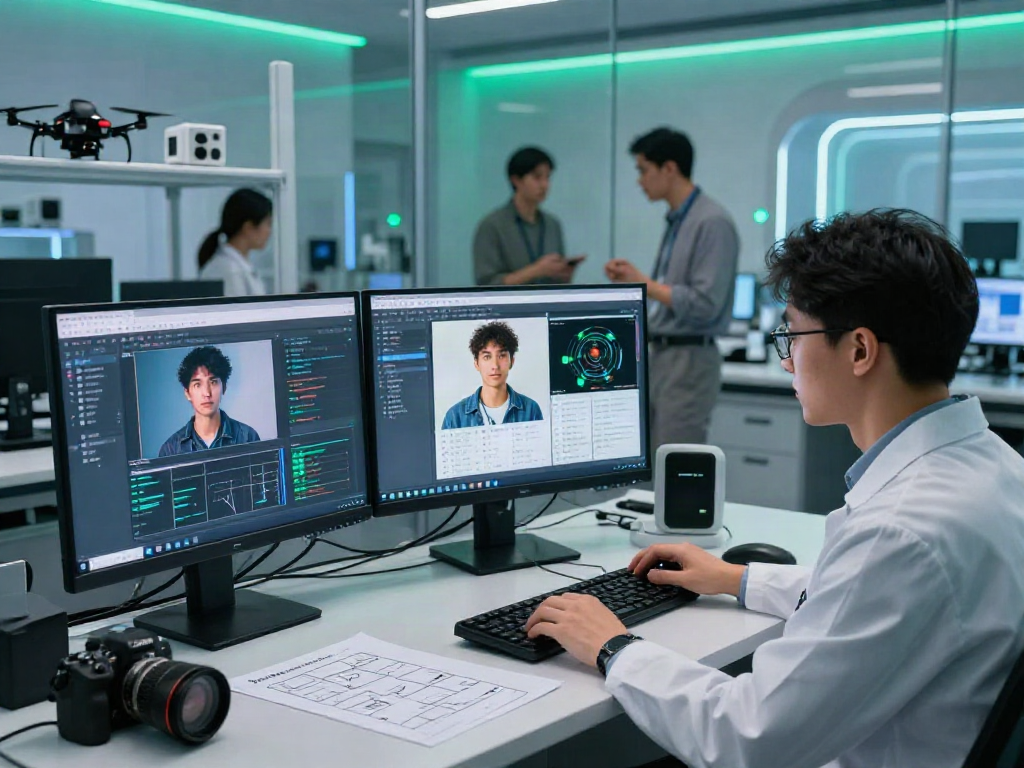
Understanding Computer Vision for CCTV
In a world increasingly driven by technology, the integration of computer vision for CCTV has emerged as a transformative solution in surveillance systems. Computer vision refers to the field of artificial intelligence (AI) that allows machines to analyze visual data in a manner akin to the human eye. When applied to closed-circuit television (CCTV), it enables operators to not only capture video footage but also interpret and respond to the visual information being processed.
What is Computer Vision?
Computer vision is a multidisciplinary field that enables computers and systems to interpret and understand images and videos from the real world. By leveraging advanced algorithms, computer vision can identify objects, categorize them, and derive meaningful insights from visual data. This technology's roots lie in fields like mathematics, computer science, and neuroscience, and it has rapidly evolved thanks to advancements in machine learning and deep learning.
The Importance of CCTV in Surveillance
CCTV systems have long been vital for private and public security, providing a watchful eye in vulnerable locations. Traditional CCTV systems simply record footage, leaving the interpretation of events to human operators. However, as the volume of video data generated today skyrockets, human monitoring becomes impractical. Computer vision enhances CCTV's utility by enabling automated monitoring, allowing for real-time analysis and more effective responses to events as they unfold.
Key Technologies Behind Computer Vision for CCTV
The transformation from standard CCTV to smart surveillance systems is powered by various technologies:
- Machine Learning: Algorithms are trained on vast datasets to recognize patterns and make predictions, enhancing the system's ability to interpret data accurately.
- Deep Learning: A subset of machine learning that uses neural networks to analyze visual data, enabling sophisticated tasks like facial recognition and anomaly detection.
- Image Processing: Techniques used to enhance images, filter noise, and improve clarity, making it easier for algorithms to analyze visual data accurately.
Applications of Computer Vision for CCTV
Real-time Surveillance and Monitoring
Real-time monitoring is perhaps the most critical application of computer vision in CCTV. Systems can analyze video feeds instantaneously, enabling the detection of suspicious behaviors, unauthorized access, or other threats.
For instance, if a CCTV camera detects a person loitering for an extended period or behaving erratically within a designated area, it can alert security personnel immediately. This prompt response can significantly reduce the chances of incidents escalating into severe threats.
Facial Recognition and Threat Detection
Facial recognition technology is one of the most controversial yet powerful applications of computer vision in surveillance. By identifying individuals based on facial features, systems can help enforce security protocols by flagging known threats or unauthorized personnel.
Moreover, integrating facial recognition with databases allows for identifying missing persons or known criminals in real-time, reinforcing public safety efforts. However, ethical considerations around privacy must be accounted for to ensure that this technology is used responsibly.
Automated Reporting and Data Analysis
Computer vision in CCTV systems not only helps in real-time monitoring but also plays a pivotal role in data analysis. Through techniques like anomaly detection, the system can learn and understand normal patterns of behavior, identifying deviations that may indicate a problem.
This capability facilitates automated reporting, allowing for efficient documentation of incidents and trends over time. Organizations can thus analyze historical data to enhance future strategies and improve security protocols.
Challenges in Implementing Computer Vision for CCTV
Technical Limitations and Requirements
Although the advantages of implementing computer vision in CCTV systems are significant, numerous technical challenges must be addressed. One major hurdle is the requirement for substantial computational power and storage capacity, particularly when processing high-definition video feeds in real-time.
Additionally, the effectiveness of computer vision systems can be limited by environmental conditions such as lighting, weather, and camera angles. Continuous advancements in hardware and algorithms are essential to overcome these obstacles and achieve reliable performance.
Data Privacy and Ethical Concerns
The implementation of computer vision for CCTV raises vital questions about data privacy and ethical use. Surveillance systems must comply with regulations that govern data collection, storage, and use, ensuring that individuals' privacy is respected.
Policymakers, organizations, and technology developers must collaborate to establish guidelines and standards that facilitate the responsible deployment of computer vision technologies while still enhancing security.
Integration with Existing Systems
Many facilities already have established CCTV systems in place, creating a challenge for the integration of advanced computer vision technologies. Transitioning from traditional systems to intelligent surveillance requires careful planning and strategic implementation.
Organizations may need to upgrade hardware, implement new software solutions, and train personnel on the new systems. Developing a phased approach can help mitigate disruption while maximizing security effectiveness.
Best Practices for Utilizing Computer Vision in CCTV
Choosing the Right Equipment
Selecting the appropriate cameras and equipment is crucial for effective computer vision applications. Factors to consider include image resolution, low-light performance, and field of view.
Additionally, choosing devices that support compatibility with advanced AI algorithms will facilitate the integration of computer vision technologies into existing systems, thus maximizing their potential.
System Configuration and Maintenance
After installation, regular maintenance and configuration updates are necessary to ensure optimal performance. System parameters should be fine-tuned based on the specific environment and use cases.
Regular updates to software and algorithms can protect systems against emerging threats and ensure they leverage the latest advancements in computer vision technology.
Training Personnel for Effective Use
The effectiveness of computer vision systems can greatly depend on the personnel tasked with monitoring and responding to alerts from CCTV feeds. Implementing comprehensive training programs will empower staff with the knowledge and skills needed to leverage these systems effectively.
Regular training sessions can enhance staff competency and confidence when utilizing advanced technologies for surveillance and monitoring.
Future Trends in Computer Vision for CCTV
Advancements in AI and Machine Learning
Future advancements in AI and machine learning will continue to enhance the capabilities of computer vision for CCTV. With ongoing research and development, algorithms will become more sophisticated, leading to improved accuracy in detection and analysis.
Moreover, features such as predictive analysis could revolutionize how organizations respond to security threats, enabling them to act proactively instead of reactively.
The Growing Impact of IoT
The Internet of Things (IoT) will significantly diversify the landscape of surveillance technology. As more devices connect to networks, the potential for integrating data from various sources into computer vision systems increases.
This synergy will enable comprehensive situational awareness and the ability to contextualize visual data with information from other IoT devices, leading to more informed decision-making processes.
Regulatory Changes and Industry Standards
As computer vision technologies evolve, so too will regulatory landscapes governing their use. Organizations must remain adaptable and informed about changes in policies to ensure compliance while deploying advanced surveillance systems.
Establishing industry standards will promote ethical practices and foster trust among the public, ensuring the technology serves its purpose while protecting individual rights.
Frequently Asked Questions
What is computer vision for CCTV?
Computer vision for CCTV is the integration of AI and machine learning technologies with traditional CCTV systems to enhance visual data analysis, enabling features like real-time monitoring, threat detection, and automated reporting.
How can computer vision improve security?
Computer vision enhances security by automating the analysis of live video feeds, allowing for immediate alerts on suspicious behavior, reducing response times, and improving overall situational awareness.
What are the privacy concerns regarding computer vision?
Privacy concerns include potential misuse of data collected through surveillance, unauthorized tracking of individuals, and the ethical implications of facial recognition technologies, necessitating strict regulatory compliance.
How do I choose the right CCTV system?
When selecting a CCTV system, consider factors like image resolution, camera features (like night vision), compatibility with AI technologies, and the specific needs of your security environment.
What is the future of computer vision in CCTV?
The future includes advancements in AI and machine learning, greater integration with IoT devices, and evolving regulations that will shape how these technologies are implemented in security systems.