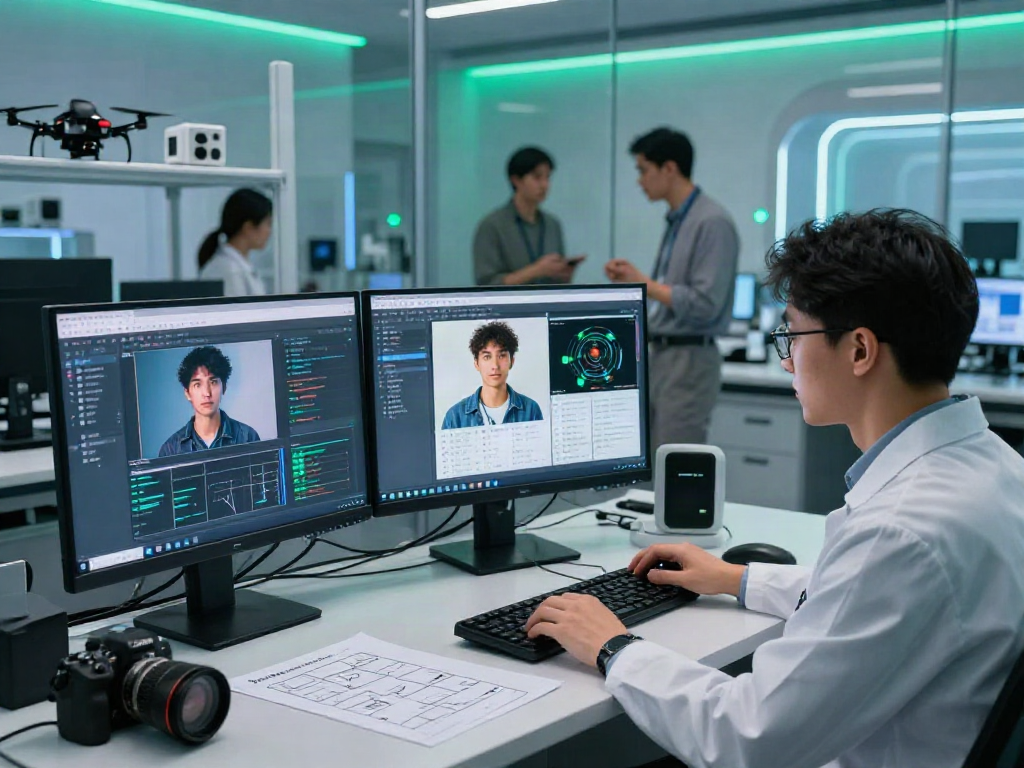
Understanding AI Image Detection Technology
As artificial intelligence continues to evolve, its influence extends into various fields, revolutionizing how we interact with digital content. One pivotal area of advancement is AI image detection, a technology designed to identify images that are generated or manipulated by AI algorithms. This capability is becoming increasingly vital as the line between authentic and artificially created visuals blurs. Understanding AI image detection is crucial for professionals across multiple sectors, including journalism, marketing, and law, as it provides tools to discern reality from synthetic media. When exploring options, AI Image Detection platforms offer comprehensive insights into these complexities and help users navigate the challenges associated with modern image authenticity.
What is AI Image Detection?
AI image detection refers to the use of advanced algorithms and machine learning techniques to analyze images, identifying whether they have been created or altered by AI. This technology can scrutinize various aspects of an image, such as pixel patterns, metadata, and context, to determine its origin. The growing prevalence of AI-generated images has made this technology essential for ensuring content integrity, allowing users to verify the authenticity of visuals quickly and efficiently.
How AI Image Detection Works
The core of AI image detection lies in its sophisticated algorithms, which often employ deep learning models to analyze vast datasets of both authentic and artificially generated images. The process usually involves several stages:
- Data Collection: To train models effectively, large datasets containing a mix of authentic and AI-generated images are collected.
- Feature Extraction: The model identifies unique features within the images, such as color distribution, noise patterns, and image composition.
- Training: The machine learning model is trained to recognize the patterns that differentiate AI-generated images from real ones based on the extracted features.
- Detection: When new images are analyzed, the model applies its learned patterns to determine if the image in question is AI-generated or authentic.
Common Use Cases in Various Industries
AI image detection technology has numerous applications across different sectors:
- Journalism: Journalists use AI image detection to verify the authenticity of images before publication, ensuring the accuracy of their reporting.
- Marketing: Brands can use AI detection tools to identify fake product images or manipulated marketing materials, protecting their reputation.
- Legal: In legal contexts, AI image detection assists in authenticating evidence, especially in cases involving digital forensics.
- Social Media: Platforms are increasingly incorporating AI image detection to combat the spread of misinformation by flagging or removing manipulated images.
Significance of AI Image Detection
As the capabilities of AI continue to expand, the importance of AI image detection cannot be overstated. The technology plays a crucial role in maintaining the integrity of information and media in a world where visual manipulation is becoming commonplace.
Protecting Against Misinformation
The proliferation of fake news and misleading images poses significant risks to public discourse. AI image detection empowers individuals and organizations to combat misinformation by providing tools to verify the authenticity of images quickly. This capability is especially vital during elections, public health crises, and significant news events.
Enhancing Image Authenticity Verification
In an era where trust in visual content is waning, AI image detection serves as a safeguard for authenticity. By utilizing this technology, businesses, and consumers can confirm the legitimacy of images, whether for marketing materials, social media posts, or journalistic reporting, ultimately fostering a more trustworthy online environment.
Supporting Legal and Ethical Standards
AI image detection also plays a pivotal role in upholding legal and ethical standards. With its ability to detect deepfakes and manipulated visuals, the technology helps ensure that media presented in courtrooms and other legal settings meets authenticity criteria. This function is crucial for maintaining the rule of law and ensuring equitable outcomes in legal disputes.
Choosing the Right Tools for AI Image Detection
With a plethora of AI image detection tools available, selecting the right one can be daunting. It's important to consider various factors to find the tool that best meets your needs.
Comparing Top AI Image Detection Software
When evaluating AI image detection software, it pays to compare several leading options. Popular tools like ZeroGPT, Sightengine, and WasItAI each offer unique capabilities tailored to different user requirements. For example:
- ZeroGPT provides extensive analysis for a range of AI-generated content.
- Sightengine focuses on real-time detection and user-friendliness.
- WasItAI excels at rapid response times, making it ideal for high-volume environments.
Features to Look For in AI Detection Tools
Key features to consider when choosing AI image detection tools include:
- Accuracy: The tool should demonstrate a high accuracy rate in detecting AI-generated images.
- User Interface: An intuitive interface will facilitate ease of use and efficiency.
- Integration Options: Look for tools that can easily integrate with existing workflows and software.
- Scalability: The software should be able to scale with your organization's needs.
Cost Considerations and Budgeting
Cost can vary significantly among different AI image detection tools. When budgeting, consider not only the initial cost but also potential return on investment by evaluating how the tool can save time and reduce risks associated with misinformation.
Implementing AI Image Detection in Your Workflow
Successfully incorporating AI image detection into your workflow requires careful planning and execution. Here’s a guide to help with the integration process.
Step-by-Step Guide to Integration
Follow these steps to effectively integrate AI image detection:
- Assess Your Needs: Determine the specific problems you want to address with image detection.
- Choose the Right Tool: Based on your needs, select an AI image detection software that matches your requirements.
- Train Your Team: Ensure your team is well-versed in using the chosen tool effectively.
- Monitor and Adjust: Regularly evaluate the tool’s performance and adjust settings or strategies as needed.
Best Practices for Effective Use
To maximize the benefits of AI image detection:
- Stay updated with the latest developments in AI technology.
- Regularly review your detection processes for optimization opportunities.
- Train your team continuously to adapt to new features and capabilities.
Avoiding Common Pitfalls During Implementation
Common pitfalls to avoid include:
- Neglecting user training, which can lead to inefficiencies and underutilization of the tool.
- Over-relying on technology without incorporating human judgment, which is crucial in nuanced contexts.
Future Trends in AI Image Detection Technology
The field of AI image detection is rapidly evolving, with several trends emerging that could shape its future.
Innovative Developments to Watch in 2026
As we look towards 2026, innovations such as more sophisticated neural networks, enhanced real-time detection capabilities, and cross-media analysis tools are on the horizon. These advancements will make AI detection more accurate and accessible.
Adapting to New Challenges and Opportunities
With the rise of new AI models, detection tools will need to adapt to identify increasingly sophisticated content. The challenge will lie in keeping pace with these advancements while ensuring the user experience remains intuitive and effective.
Expert Predictions and Insights
Industry experts predict that by 2026, AI image detection will be integrated into everyday applications, making it a standard feature in photography apps and social media platforms. This widespread adoption will further enhance image authenticity and reduce the prevalence of misinformation.
What are the benefits of AI Image Detection?
The primary benefits of AI image detection include safeguarding against misinformation, enhancing the verification of image authenticity, and supporting legal and ethical standards in content usage.
How can I choose the right AI Image Detection tool?
Choosing the right AI image detection tool involves assessing your specific needs, comparing available options, and considering key features such as accuracy, user interface, and integration capabilities.
What industries benefit most from AI Image Detection?
Industries such as journalism, marketing, law, and social media significantly benefit from AI image detection, utilizing it to enhance accuracy and integrity in visual content.
Are there any risks associated with AI Image Detection?
Risks can include the potential for over-reliance on technology and the possibility of misidentifying genuine images as AI-generated, which underscores the need for a balanced approach involving human oversight.
How is AI Image Detection evolving in 2026?
By 2026, AI image detection is expected to evolve with more advanced technologies, such as improved algorithms for deeper content analysis and more user-friendly interfaces, making it accessible to a wider audience.