
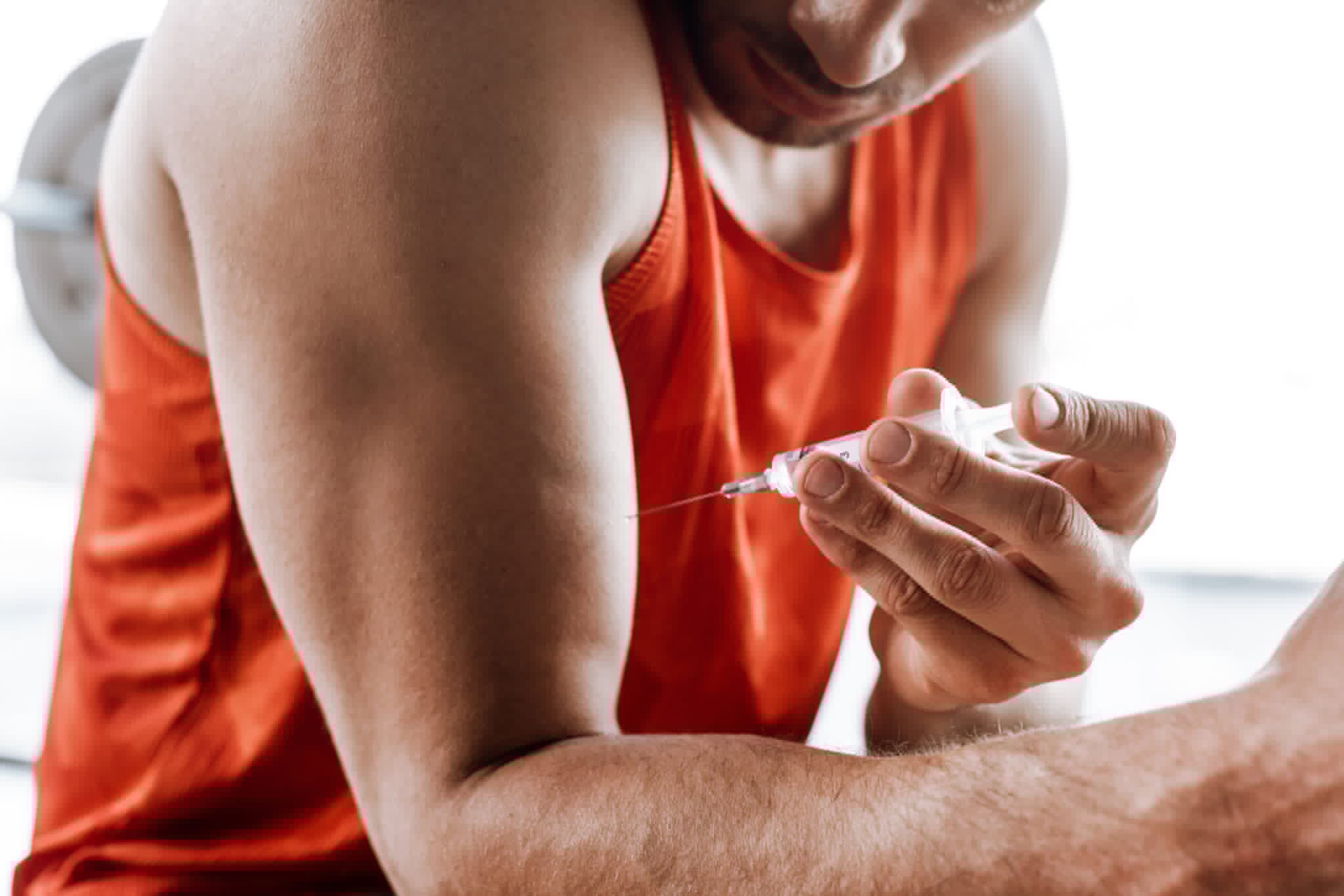
Human Growth Hormone (HGH) has become a prominent topic in the HGH For Sale Australia, and wellness communities due to its association with muscle development, recovery, and physical performance. With growing interest in HGH products in Australia, it is essential for individuals to understand how to navigate the market safely, identify reliable information sources, and make informed decisions that align with legal and health guidelines.
Understanding HGH’s role, its medical applications, and the potential risks and benefits is critical before considering any supplementation. This article provides a comprehensive overview of HGH in the context of fitness and wellness, emphasizing safe and informed practices.
What is Human Growth Hormone?
Human Growth Hormone is a naturally occurring hormone produced by the pituitary gland. It is vital for growth, metabolism, tissue repair, and maintaining lean body mass. HGH stimulates the production of insulin-like growth factor 1 (IGF-1), which plays a critical role in growth and tissue regeneration.
The Physiological Role of HGH
HGH supports several bodily functions that are relevant to fitness and wellness, including:
- Protein synthesis and muscle maintenance
- Bone density regulation
- Fat metabolism
- Cellular regeneration and repair
- Energy management and metabolic regulation
Natural HGH Production
HGH is released in pulses throughout the day, with the highest secretion occurring during deep sleep. Factors such as age, nutrition, physical activity, and overall health influence natural HGH production. Levels typically decline with age, which has contributed to increased interest in supplementation.
Medical and Legal Context in Australia
In Australia, HGH is classified as a prescription-only medication. It is legally available only for specific medical conditions, such as growth hormone deficiency, Turner syndrome, chronic kidney disease, and other clinically approved indications.
Prescription Requirements
HGH can only be legally prescribed by a qualified medical professional. Any use outside approved medical guidelines is considered illegal and potentially unsafe.
Risks of Unregulated Products
Products marketed as HGH without a prescription carry significant risks, including:
- Unknown purity and potency
- Potential contamination
- Unproven efficacy
- Legal consequences for possession or distribution
Why Fitness Enthusiasts Consider HGH
Interest in HGH often arises from its potential association with fitness-related outcomes.
Muscle Development
HGH contributes to protein synthesis, which supports muscle growth. However, meaningful gains require structured resistance training, proper nutrition, and sufficient recovery.
Recovery Support
HGH is involved in cellular repair and regeneration, which may influence recovery following intense physical activity. Recovery is critical for training consistency and long-term performance.
Body Composition
Some research suggests HGH can influence fat metabolism, potentially affecting body composition. Sustainable improvements are largely achieved through diet, exercise, and lifestyle management rather than hormone supplementation alone.
Identifying Reliable Sources of Information
With the growing interest in HGH, it is crucial to distinguish between credible sources and misinformation.
Medical Professionals
Endocrinologists, general practitioners, and other licensed healthcare providers are the most reliable sources for understanding HGH’s benefits, risks, and legal use.
Reputable Educational Resources
Peer-reviewed scientific literature, medical websites, and government health agencies provide evidence-based information regarding HGH.
Avoiding Unverified Claims
Marketing materials and anecdotal reports may exaggerate potential benefits. Users should critically evaluate claims and consult healthcare professionals before considering any hormone-related products.
Safety Considerations and Potential Side Effects
Using HGH without proper medical supervision carries significant health risks.
Possible Side Effects
Side effects may include:
- Joint and muscle pain
- Swelling due to fluid retention
- Increased risk of diabetes
- Carpal tunnel syndrome
- Abnormal growth of tissues or organs
Importance of Professional Guidance
Professional oversight ensures appropriate dosing, monitoring, and evaluation of risks. It is also essential for recognizing contraindications and preventing adverse effects.
Alternatives to HGH for Fitness Goals
Many individuals seek performance enhancement and recovery support without using hormone therapies. Effective alternatives include:
Structured Training Programs
Progressive resistance training and periodized exercise plans remain fundamental for muscle growth and performance improvements.
Nutrition Optimization
Adequate protein intake, balanced macronutrients, and micronutrient sufficiency support recovery, energy, and muscle development.
Recovery Strategies
Sleep, stress management, and active recovery practices improve training outcomes and reduce the risk of injury.
Evidence-Based Supplements
Creatine, protein powders, and other supplements with validated research can support performance and recovery safely.
Building Long-Term Fitness Success
Sustainable fitness and performance improvements rely on consistency and balanced approaches rather than reliance on unregulated products.
Consistency and Patience
Long-term adherence to training, nutrition, and recovery routines produces more reliable results than short-term interventions.
Individualized Planning
Tailored programs that consider personal goals, capabilities, and limitations enhance outcomes and minimize risk.
Informed Decision-Making
Understanding the science behind HGH and fitness strategies allows individuals to make safer, more effective choices.
Conclusion
Human Growth Hormone continues to be a topic of interest in fitness and wellness communities in Australia. However, safe and legal access requires professional medical supervision and adherence to regulatory guidelines. Unregulated products pose serious health and legal risks.
For individuals seeking to improve fitness, muscle development, recovery, or body composition, evidence-based approaches—such as structured training, proper nutrition, and recovery—remain the most effective and sustainable strategies. Consulting healthcare professionals and relying on reputable information sources is essential for making informed decisions about HGH and overall performance support.
By prioritizing safety, legality, and science-based practices, individuals can pursue their fitness and wellness goals responsibly while minimizing potential risks.