Understanding the Allure of Tree House Life
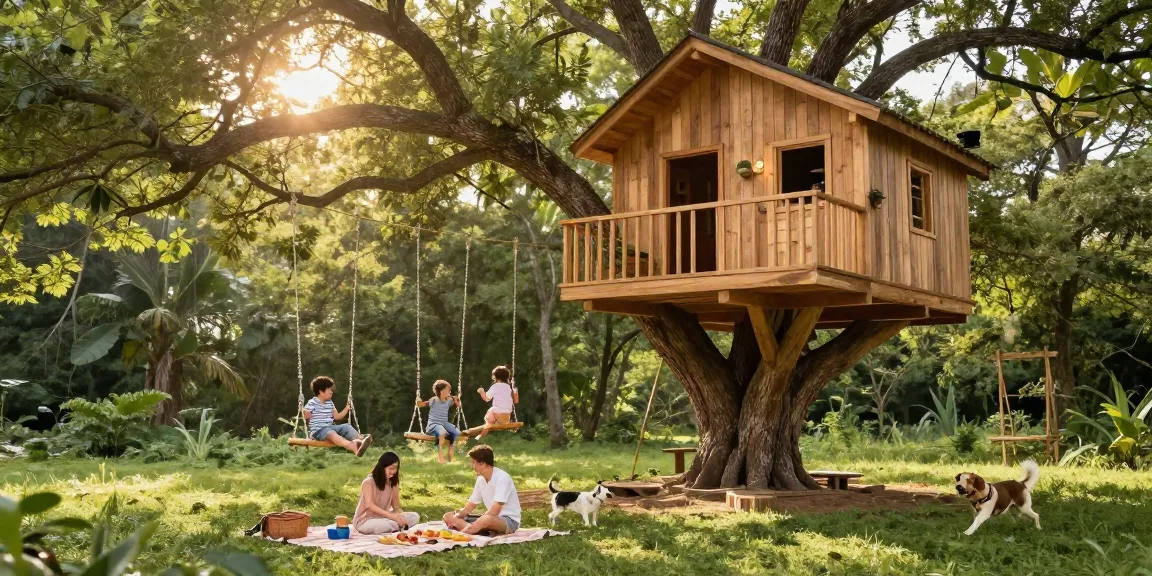
The charm of life in a treehouse transcends mere aesthetics; it beckons an enchanting lifestyle that harmonises with nature. For many families, the idea of retreating to a home high among the branches represents freedom, adventure, and a sense of connection with the environment. The unique appeal of tree houses lies not only in their whimsical designs but also in the emotional and physical benefits they offer. When exploring options, tree house life provides comprehensive insights into making this dream a reality.
What Makes Tree House Life Popular?
Tree houses are gaining popularity as more individuals seek alternatives to conventional housing that align with eco-friendly principles. The rise in eco-conscious living and the enchantment of residing amidst nature leads many to consider treehouses as viable dwelling spaces. The rustic aesthetic combined with modern amenities creates a unique blend of comfort and adventure.
- Connection to Nature: Living in a treehouse fosters a closer relationship with the environment, offering magnificent views and opportunities for wildlife observation.
- Unique Living Experience: The novelty of treehouse living attracts both families and individuals looking for a distinctive lifestyle.
- Flexibility and Space: Treehouses can be designed to fit diverse needs, from family homes to vacation getaways.
Benefits of Living in a Treehouse
Treehouse living extends numerous benefits, making it an appealing option for many homeowners. These include:
- Enhanced Creativity: The unique and imaginative structure of a treehouse can inspire creativity and innovation.
- Health Advantages: The natural surroundings contribute to better mental health, reduced stress, and increased physical activity.
- Eco-Friendly Living: Most treehouses aim for sustainable construction, utilising local materials and off-the-grid solutions.
Common Misconceptions about Tree House Living
Despite the allure, several misconceptions may deter potential treehouse owners. Some believe that treehouses lack the facilities of traditional homes. However, modern treehouses can incorporate:
- Bathrooms, kitchens, and comfortable living areas.
- Insulation for year-round living, offering warmth in winter and coolness in summer.
- Safety features that ensure a secure living environment.
Designing Your Treehouse: Key Considerations
Designing a treehouse requires careful planning and consideration. It’s vital to reflect on various aspects that will enhance both function and aesthetics.
Choosing the Right Location for Your Tree House
Location is crucial when it comes to treehouse construction. Considerations include:
- Tree Selection: Choose sturdy trees with deep roots, such as oaks or maples, which can support the structure.
- Surroundings: Ensure the site has adequate sunlight, shade, and is free from nearby hazards like power lines.
- Accessibility: Plan how to access your treehouse safely, considering ladders, stairs, or suspension bridges.
Sustainable Materials and Building Techniques
Sustainability is paramount in modern treehouse design. Utilising eco-friendly materials not only aligns with the ethos of treehouse living but also ensures minimal environmental impact. Some recommended materials include:
- Recycled Wood: Use reclaimed wood to reduce demand for new timber.
- Composite Materials: Consider sustainable composites that offer durability.
- Natural Finishes: Use non-toxic paints and finishes to maintain a healthy indoor environment.
Design Features That Enhance Tree House Life
When designing your treehouse, consider integrating unique features that enrich your experience:
- Large Windows: Incorporate expansive windows for natural light and breathtaking views.
- Outdoor Decks: Create outdoor living spaces for entertaining and enjoying nature.
- Innovative Storage Solutions: Optimise space with built-in storage to keep the interior organised.
Safety and Maintenance in Tree House Living
Ensuring the safety and longevity of your treehouse is essential. Regular maintenance and thoughtful design choices will help preserve its charm for years to come.
Essential Safety Features for Tree Houses
Every treehouse should be equipped with key safety features, including:
- Sturdy Railings: Ensure all decks and ladders have secure railings to prevent falls.
- Weatherproofing: Protect the structure from adverse weather through proper sealing and treatments.
- Emergency Exits: Plan for safe escape routes in case of emergencies.
Regular Maintenance Practices for Longevity
Regular maintenance is crucial for the safety and durability of your treehouse. Recommended practices include:
- Annual Inspections: Assess the structure for any signs of wear or damage.
- Cleaning: Regularly clean gutters and check for pests.
- Reinforcing Structure: Periodically check and reinforce connections and supports as needed.
Preparing for Seasonal Changes
Seasonal changes can take a toll on your treehouse, so it's advisable to prepare accordingly:
- Winter Preparations: Insulate pipes and ensure heating systems are functional.
- Summer Readiness: Check for potential issues like overheating and provide shading.
- Storm Preparation: Secure outdoor items and inspect for weak areas before severe weather.
Tree House Community and Culture
The treehouse lifestyle fosters a unique sense of community, bringing together individuals and families who share a passion for nature and adventure.
The Growing Trend of Tree House Communities
Tree house communities are becoming popular as a solution to urban living. These enclaves create environments where neighbours engage in sustainable living practices together. Residents often share resources and build lasting relationships, enhancing their experience.
How Tree House Living Fosters Community Engagement
Living in proximity to others can enhance community spirit, where families collaborate on projects such as:
- Community Gardens: Utilise shared spaces for cultivating gardens.
- Workshops: Hold classes to teach treehouse building skills.
- Group Activities: Organise events like tree climbing or nature walks.
Case Studies: Successful Tree House Projects
Examining real-life examples can offer inspiration for potential treehouse owners. Notable projects include:
- Treehouse Point in Washington: A successful getaway that showcases beautiful treehouse designs while promoting environmental awareness.
- Treetopia in New Zealand: A unique residential community that embraces the treehouse lifestyle.
Future Trends in Tree House Living for 2026 and Beyond
The future of treehouse living is bright, with innovations and changing attitudes towards housing shaping the landscape.
Innovations in Eco-Friendly Tree House Designs
As sustainability becomes increasingly important, expect to see:
- Smart Home Technology: Automation systems that enhance energy efficiency.
- Vertical Gardens: Integration of greenery into the structure for improved aesthetics and air quality.
- Modular Designs: Flexible build options allowing for easy expansion or relocation.
How Technology is Changing Tree House Life
Technology will continue to revolutionise treehouse living, incorporating features such as:
- Solar Power: Utilising renewable energy sources to reduce reliance on traditional power grids.
- Advanced Insulation Materials: Enhancing energy efficiency, making treehouses viable year-round.
- Remote Monitoring Systems: Allowing homeowners to manage their property usage and maintenance remotely.
Predictions for Tree House Living Markets in 2026
It is anticipated that the market for treehouses will continue to expand, driven by:
- Increased Urbanisation: More people seeking escape from crowded city life.
- Demand for Eco-Tourism: Treehouses as unique lodging options in eco-friendly travel.
- Community Developments: Growing interest in sustainable community living focusing on outdoor lifestyles.
What are the average costs of building a treehouse?
The cost of building a treehouse can vary significantly based on size, materials, and location. On average, a basic treehouse can range from £10,000 to £30,000, while custom designs can escalate to £50,000 or more, depending on amenities.
Can treehouses be lived in year-round?
Yes, modern treehouses equipped with insulation, heating, and plumbing can serve as full-time residences year-round, provided they meet local building regulations.
What local regulations affect tree house construction?
Before building a treehouse, it’s essential to check local planning regulations and zoning laws, which can dictate height restrictions, construction methods, and permits required.
Are treehouses suitable for all types of trees?
While many trees can support a treehouse, it’s vital to choose sturdy, healthy trees with good root structures. Species like oak, maple, and pine are generally ideal candidates.
How do I choose the right builder for my treehouse?
Look for builders who specialise in treehouse construction, assess their previous projects, and ensure they have experience with eco-friendly practices and local regulations.