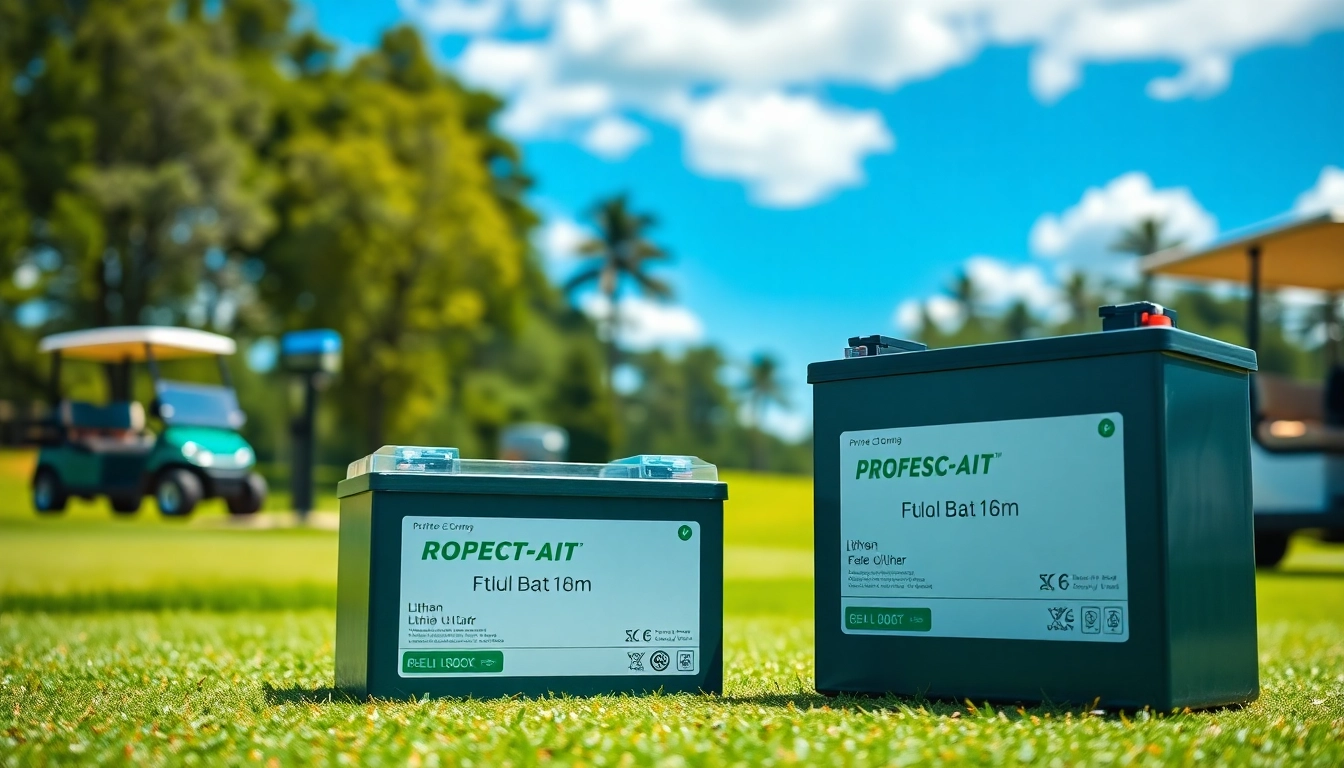
Introduction to Lithium Golf Cart Batteries
With the growing popularity of electric golf carts, the choice of battery technology has become a crucial consideration for golf enthusiasts and cart owners alike. One of the most prominent advancements in this field is the emergence of lithium golf cart batteries. This innovative solution offers several advantages over traditional lead-acid batteries, from performance enhancements to maintenance simplicity. In this comprehensive guide, we will explore everything you need to know about lithium golf cart batteries, including their benefits, selection criteria, installation procedures, maintenance, and more.
Understanding Lithium Technology
Lithium batteries utilize lithium ions to generate power, providing a higher energy density compared to lead-acid batteries. This technology allows for better efficiency, longer driving ranges, and quicker recharge times. Lithium batteries also feature several chemistry types, the most prevalent being Lithium Iron Phosphate (LiFePO4), which is known for its stability, longevity, and safety profile. Understanding these distinctions helps consumers make informed choices tailored to their specific golf cart usage.
Advantages Over Traditional Batteries
The transition from traditional lead-acid batteries to lithium alternatives brings forth a host of benefits:
- Longevity: Lithium golf cart batteries can successfully endure up to 5,000 charge cycles, far surpassing the 200-300 cycles of their lead-acid counterparts.
- Weight Efficiency: Lithium batteries are considerably lighter, reducing the overall weight of the golf cart, which can improve speed and reduce energy consumption.
- Rapid Charging: Most lithium batteries boast charging times of around 1-3 hours, compared to 8-12 hours for lead-acid batteries.
- Lower Maintenance: Lithium batteries require minimal maintenance, eliminating the need for water filling and reducing ongoing upkeep costs.
- Improved Performance: They deliver a consistent power output and maintain performance even at low charge levels, providing stable operation across various conditions.
Common Applications in Golf Carts
Lithium golf cart batteries are not only suited for traditional golf carts but are increasingly being integrated into specialty applications. These include:
- Leisure Use: Ideal for recreational golfing, providing adequate power for extended cart usage on the golf course.
- Commercial Use: Used in golf rentals or fleet carts that require high reliability and quick turnaround between rounds.
- Utility Vehicles: Perfect for battery-powered utility vehicles that operate on golf courses for maintenance and logistics.
Choosing the Right Lithium Golf Cart Battery
Voltage Options: 36V vs. 48V
Lithium batteries for golf carts typically come in two voltage configurations: 36V and 48V. The choice between these two can significantly affect performance:
- 36V Batteries: Suited for basic golf carts, they are efficient and deliver adequate power for standard usage.
- 48V Batteries: Ideal for larger, high-performance carts, these batteries provide better acceleration and can carry heavier loads, thus popular among serious golf cart users seeking enhanced performance.
Capacity and Expected Cycle Life
Battery capacity is measured in ampere-hours (Ah) and directly influences how long the battery can provide power. For example, a 105Ah battery will last longer than a 70Ah battery under similar conditions. Additionally, the expected cycle life, which indicates how many times a battery can be charged and discharged before its capacity significantly diminishes, is often highest for lithium, up to 5,000 cycles.
Assessing Compatibility with Your Golf Cart
Not all Vatrer Power lithium golf cart batteries are universally compatible. Users must consider the specific electrical configurations of their golf carts. It is essential to check the following:
- Battery Size: Ensure the physical dimensions align with your golf cart's battery compartment.
- Voltage Rating: Match the new battery's voltage to your golf cart's requirements.
- Connector Types: Verify that the connectors fit; some lithium batteries may require adaptors.
Installation Guide for Lithium Golf Cart Batteries
Tools Required for Installation
Before starting the installation process, gather the necessary tools:
- Socket wrench set
- Wire cutters and strippers
- Multimeter for checking voltage
- Safety goggles and gloves
Safety Precautions to Follow
Safety should be a priority. The following guidelines are recommended:
- Always disconnect the power before beginning any work on the battery.
- Wear protective gear to prevent injury from chemical exposure.
- Follow all manufacturer instructions to avoid warranty voidance.
Step-by-Step Installation Process
Follow these steps to install your new lithium golf cart battery:
- Disconnect the existing battery and remove it from the compartment.
- Inspect the battery compartment for any damage or corrosion.
- Place the new lithium battery in the compartment and secure it using bolts.
- Connect the battery terminals, ensuring positive and negative connections are correct.
- Check that all connections are tight and properly insulated.
- Reconnect the power and check for functionality using a multimeter.
Maintenance Tips for Long-lasting Performance
Best Practices for Charging
To maximize the lifespan of 48V 105Ah Lithium Battery:
- Avoid overcharging; it can damage the battery.
- Recharge regularly, ideally after every use or once the charge drops below 20%.
- Utilize a smart charger that can manage charging cycles effectively.
Storage Solutions During Off-Season
When not in use, store lithium batteries in a cool, dry place. Ideally, a temperature between 50-80°F will help avoid damage. Ensure the battery is charged to around 50% before storage, as this is optimal for longevity.
Regular Inspection and Maintenance Tasks
Conduct regular inspections to ensure the battery remains in good condition. Look for signs of corrosion or loose connections and clean terminals when necessary. Also, periodically check the voltage with a multimeter.
Frequently Asked Questions
What is the lifespan of lithium golf cart batteries?
Lithium golf cart batteries can last up to 5,000 cycles depending on usage and maintenance, significantly outlasting traditional batteries.
Can I use lithium batteries in older golf cart models?
Yes, however, you'll need to ensure compatibility with your cart's electrical system and potentially install an appropriate conversion kit.
How often should I charge my lithium golf cart battery?
Recharge after every use or when the battery level drops below 20% to maximize lifespan and performance levels.
Are lithium batteries safe for outdoor use?
Yes, lithium golf cart batteries are designed to be weather-resistant; however, they should ideally be stored in moderate temperatures.
What maintenance do lithium golf cart batteries require?
Minimal maintenance is required, primarily ensuring clean connections and monitoring battery health through regular inspections.