Understanding Facial Age Estimation Techniques
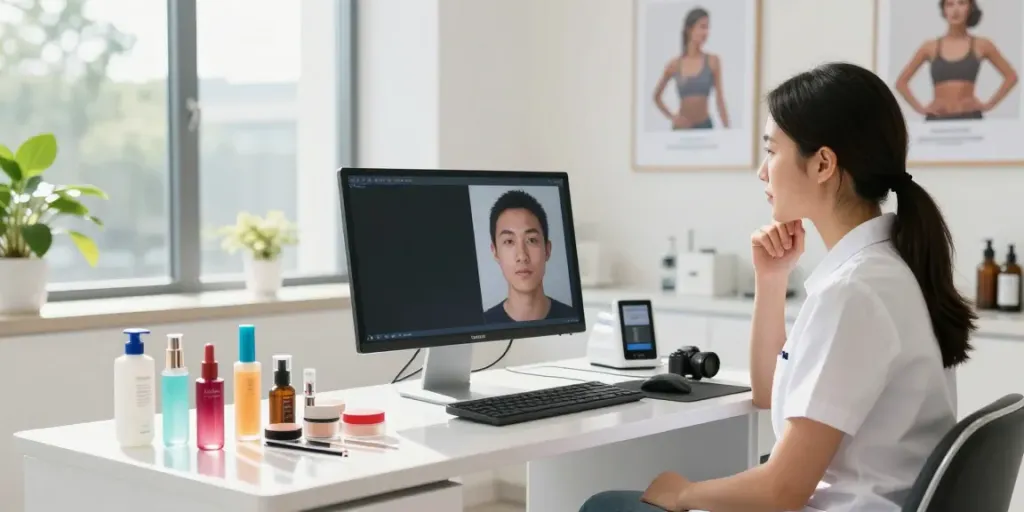
The quest to determine how old someone appears is as old as the concept of age itself. A common phrase, "how old do I look," often springs to mind when people share photos or videos. Today, advancements in technology have allowed for the development of sophisticated tools aimed at estimating perceived age through facial analysis. These online age estimators can provide insights into how others might perceive one’s age based on their facial features, skin quality, and expression. For those interested in exploring these technologies, how old do I look provides comprehensive insights into age estimation.
What is the Concept of How Old Do I Look?
The concept of "how old do I look" revolves around the psychological and societal perceptions of age. While people may have a biological age determined by their birth date, their perceived age can differ due to various factors, including lifestyle, genetics, and environmental influences. This perceived age is what facial age estimation tools aim to quantify, providing an often surprising insight into how one's appearance aligns with societal expectations of age.
Key Technologies Used in Age Estimation
Modern facial age estimation tools utilize a combination of image processing and artificial intelligence technologies. By applying algorithms to analyze facial features such as wrinkles, fine lines, and skin texture, these tools can predict an individual’s perceived age with impressive accuracy. Technologies like convolutional neural networks (CNNs) are particularly adept at recognizing patterns related to aging.
The Role of Machine Learning in Facial Analysis
Machine learning plays a pivotal role in enhancing the accuracy of age estimation tools. By training models on vast datasets containing images of individuals at various ages, algorithms learn to identify specific markers associated with aging. As these models are refined with more data, their predictive capabilities improve, leading to increasingly reliable age estimations. This process also allows for the personalization of results based on individual features.
Factors Influencing Age Perception
Age perception is not solely determined by biological factors; it is influenced by a multitude of external factors that can alter how others perceive our age. Understanding these factors can shed light on the complexity of age estimation.
Skin Quality and Its Impact on Age Appearance
Skin quality is arguably one of the most significant indicators of perceived age. Factors such as hydration, skin elasticity, and the presence of blemishes or wrinkles can drastically influence how old one appears. A well-maintained skincare routine can minimize visible signs of aging, thereby potentially resulting in a younger appearance.
The Effect of Facial Expressions on Age Estimation
Facial expressions also play a crucial role in how age is perceived. Frequent expressions, both positive and negative, can contribute to the development of fine lines and wrinkles around the eyes and mouth, leading to an older appearance. Conversely, a relaxed or joyful expression may convey a more youthful vibe, highlighting the importance of emotional well-being in appearance.
Importance of Lighting in Photographic Analysis
Lighting can dramatically affect how age is perceived in photos. Bright lighting may highlight imperfections while soft lighting can create a more flattering impression. Understanding the impact of lighting can help individuals present themselves in the best possible way while using age estimation tools.
Using AI Tools for Age Estimation
As technology continues to evolve, a variety of AI-powered tools have emerged, enabling users to assess how old they look accurately. These tools often come with specific features that enhance user experience.
Top Online Tools to Find Out How Old Do I Look
Several online platforms provide free and easy-to-use age estimation tools. Websites such as Fotor and FaceAge.ai allow users to upload a photo and receive an instant analysis of their perceived age. These tools not only estimate age but often provide insights into the factors influencing the result, such as skin health and facial structure.
Evaluating the Accuracy of AI Age Guessers
While these AI tools can give a general sense of how old one appears, it is important to recognize their limitations. The accuracy often depends on the quality of the input image, the algorithms used, and the underlying dataset. Users should approach the results with an understanding that these tools are estimates, not definitive answers.
User Experiences with Age Estimation Apps
Feedback from users of age estimation apps varies widely. Some individuals express enjoyment in using these tools for fun, while others find that the results can be surprisingly accurate. User experiences highlight the excitement and occasional disappointment consumers feel when faced with their perceived age compared to their actual age.
Common Misconceptions About Facial Age
Despite the growing popularity of age estimation tools, several misconceptions persist around this topic.
Debunking Myths Surrounding Age Guessing
One common myth is that age guessers can definitively tell a person’s age. In reality, these tools provide estimations based on patterns rather than exact calculations, meaning the results can vary significantly depending on numerous factors.
Understanding the Psychological Effects of Age Perception
The perception of age can have profound psychological effects on individuals. Those who perceive themselves as older may experience negative feelings, impacting their confidence and self-esteem. Conversely, those who feel they appear younger may enjoy a boost in confidence, reinforcing a positive self-image.
How Social Media Influences Age Comparisons
Social media platforms play a significant role in shaping age perceptions. As users share photos and engage with content, they often compare themselves to others which can distort their self-image. This phenomenon underscores the importance of cultivating a healthy self-image, regardless of how age is perceived.
Looking Ahead: The Future of Age Estimation Technology
The field of age estimation technology is rapidly advancing, fueled by innovations in AI and machine learning. Understanding what the future holds can help users navigate this evolving landscape.
Emerging Trends in AI and Facial Recognition
Future applications of AI in age estimation may include augmented reality features that allow users to see themselves at different ages or under various conditions. Additionally, the integration of biometric data could lead to even more personalized insights into age perception.
Potential Ethical Considerations
As technology becomes more sophisticated, ethical considerations around privacy, consent, and the implications of age estimation on mental health come to the forefront. It is crucial for developers to ensure that user data is protected and used responsibly, particularly as these tools gain popularity.
What to Expect in Facial Age Guessing by 2026?
By 2026, we can anticipate more nuanced and accurate facial age estimation technologies. Advancements in machine learning and data collection will likely lead to increased personalization in how age is estimated and presented to users.
What is the best way to analyze my age using photos?
The best way to analyze one’s age using photos is to choose high-resolution images taken in good lighting without heavy makeup or filters. This ensures that the age estimation tools can analyze facial features accurately.
Are age guessing apps reliable for assessing my facial appearance?
Age guessing apps can be reasonably reliable, but results should be considered estimates rather than definitive judgments. It’s important to recognize the subjective nature of age perception.
How do lifestyle choices affect how old I look?
Lifestyle choices such as diet, exercise, skincare, and sun protection significantly impact how old one appears. Healthy habits can lead to a more youthful appearance, while neglecting personal care can accelerate visible signs of aging.
Can AI accurately determine facial age in real-time?
Real-time age determination is becoming increasingly feasible thanks to advancements in AI technology. As algorithms improve, real-time analysis of facial features may become more accurate and widely available.
What advancements can we expect in age estimation tools?
Future advancements in age estimation tools may include enhanced accuracy through more extensive datasets, improved algorithms, and integration of user feedback to tailor the experience. Furthermore, the incorporation of a wider variety of facial features and expressions will likely yield better accuracy in predictions.