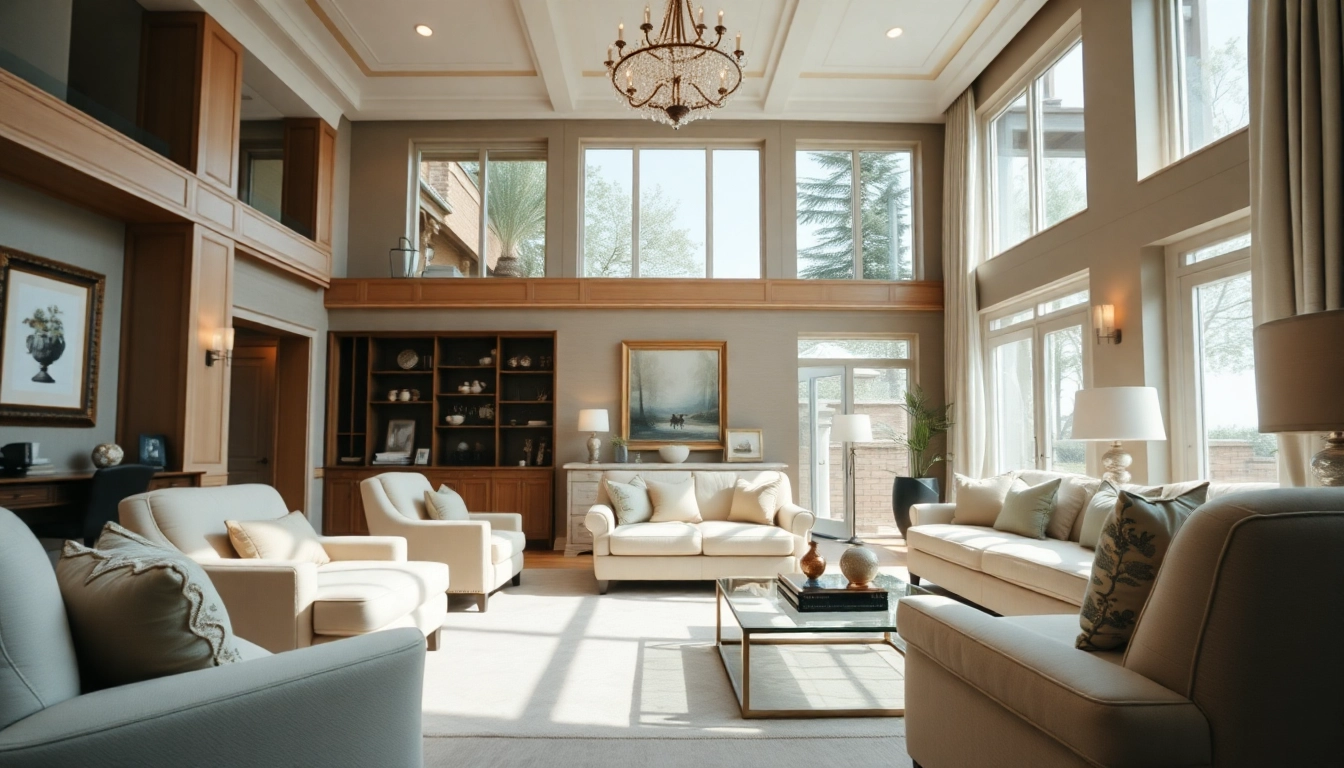
Understanding the Role of a Real Estate Photographer
In today's competitive real estate market, the visual presentation of a property is a key factor in attracting potential buyers. A Real Estate Photographer plays a crucial role in this process by capturing high-quality images that highlight the best features of a property. This article delves into the multifaceted role of real estate photographers, what they do, the styles they employ, and how their work significantly impacts property sales.
What Does a Real Estate Photographer Do?
A real estate photographer specializes in taking images that showcase properties in the best possible light. Their responsibilities typically include:
- Capturing images: Using various types of cameras and equipment to take photos of residential or commercial properties.
- Editing photographs: Employing software to enhance images, ensuring they represent the property accurately while also being visually appealing.
- Working with agents: Collaborating with real estate agents to understand the objectives of the shoot and the target market for the property.
- Utilizing various techniques: Incorporating different photography styles, such as HDR (High Dynamic Range) photography, to create striking visuals.
- Offering additional services: Many photographers provide video tours, drone footage, and virtual staging as part of their offerings.
Importance of High-Quality Photography in Real Estate
The importance of high-quality photography in real estate cannot be underestimated. Studies have shown that listings with professional photographs sell 32% faster than those without. Quality images help to establish credibility for both the agent and the property, transforming a potential buyer's initial impression.
Additionally, well-photographed properties are more likely to be shared on social media and featured in marketing campaigns, further broadening their reach. When potential buyers can visualize themselves in a property through stunning imagery, the likelihood of a sale increases significantly.
Different Styles of Real Estate Photography
Real estate photography encompasses a range of styles, each tailored to capture the unique selling points of a property. Below are some common styles:
- Traditional photography: This style focuses on taking standard images of the property, highlighting the main living spaces, kitchens, bathrooms, and bedrooms.
- Virtual tours: Immersive experiences allow potential buyers to explore the property at their own pace, often using 360-degree photography.
- Aerial photography: Utilizing drones to capture overhead shots, which provide a unique perspective on the property and its surroundings.
- Night photography: Capturing properties at dusk or evening to highlight external lighting and create a warm, inviting atmosphere.
- Flambient photography: A blend of flash and ambient lighting techniques to create balanced, natural-looking images that highlight interior spaces.
How to Choose the Right Real Estate Photographer
Choosing the right real estate photographer is essential for maximizing the visual impact of your property listing. Here are some key considerations:
Key Qualities to Look For
When evaluating potential photographers, consider the following qualities:
- Experience: Look for photographers who have a solid portfolio and experience in real estate photography.
- Technical skills: Ensure they are proficient with the camera equipment and editing software necessary for producing high-quality images.
- Flexibility: Capable photographers can adapt to various environments and light conditions, producing great results regardless of the situation.
- Communication skills: A good photographer should listen to your needs and provide guidance on how to best showcase the property.
Evaluating Portfolios and Past Work
An important step in selecting a real estate photographer is examining their portfolio. Look for:
- Diversity: A range of styles and techniques within their portfolio can indicate versatility.
- Quality: High-resolution images free from blur, poor lighting, or awkward angles are crucial.
- Consistency: The photographer's ability to produce a cohesive look across various properties speaks to their professionalism.
Understanding Pricing and Packages
The cost of hiring a real estate photographer can vary significantly based on their experience, location, and services offered. Common pricing structures include:
- Hourly rates: Some photographers charge by the hour, which can be beneficial for smaller jobs.
- Flat fees: Fixed prices for specific packages, which can include a set number of images and additional services like virtual tours.
- Value-added services: Ensure you understand what’s included in the pricing, such as editing time or additional services like drone photography.
Preparing Your Property for a Photoshoot
Preparation is key to achieving stunning property photographs. Here are some essential steps to follow:
Staging Tips for Maximum Impact
Staging is the art of preparing your property for sale by decorating, arranging, and cleaning in a way that enhances its appeal. Consider the following tips:
- Declutter: Remove excess items to create a sense of space.
- Neutral décor: Use neutral colors to appeal to a wider audience.
- Highlight features: Arrange furniture to emphasize positive aspects, such as a fireplace or natural light sources.
Lighting Considerations for Best Results
Good lighting is paramount in photography. Here’s how to make the most of natural and artificial lighting:
- Natural light: Schedule the shoot for times when natural light is optimal, which is often mid-morning or late afternoon.
- Window treatments: Open curtains to allow maximum light and eliminate distractions that may detract from the view.
- Incorporate additional light sources: Use lamps or overhead lights to brighten dark areas.
Necessary Pre-shoot Checklists
Before the photographer arrives, have a checklist to ensure everything is ready:
- Clean all surfaces, including floors, windows, and mirrors.
- Make sure outdoor areas are tidy, including gardens and patios.
- Double-check that all lights are functioning and bulbs are replaced if necessary.
Post-Production Techniques Used by Real Estate Photographers
After the photoshoot, the editing process begins. This stage is crucial for enhancing images and making them ready for the market.
Image Editing and Retouching Standards
Professional editing enhances the quality of photographs significantly. Key techniques include:
- Color correction: Adjusting colors to match the natural appearance of the property.
- Cropping and straightening: Ensuring lines are straight and elements are framed properly.
- Adding contrast and brightness: Enhancing the image to make it more appealing.
The Role of Virtual Tours and 3D Imaging
Virtual tours provide immersive experiences for potential buyers. These tours feature:
- Interactive elements: Users can click through different rooms and spaces at their leisure.
- 3D mapping technologies: Such technologies create a realistic representation of the property layout.
Maximizing Visual Appeal through Enhancements
Enhancing images can significantly improve the perception of a property. Common enhancements include:
- Sky replacements: Some photographers edit out dull skies for a more vibrant background.
- Furniture and decor additions: Using digital staging to visualize how a space can be designed.
Maximizing Your Investment in Real Estate Photography
To ensure you get the most out of your investment in real estate photography, consider the following strategies:
Utilizing Photos Across Multiple Platforms
Once you have your high-quality images, make sure to utilize them effectively:
- Online listings: Showcase your property on multiple real estate platforms.
- Social media: Use photos on social media channels for increased visibility.
- Print materials: Incorporate the images into brochures and flyers.
Analyzing the Effectiveness of Your Photography
After launching your listing, it’s crucial to assess how well the photos are performing:
- Track engagement: Monitor visits to the listing page and inquiries generated through the photographs.
- Client feedback: Gather responses from potential buyers or agents regarding the quality of visuals.
Tips for Building Long-Term Relationships with Photographers
Building a lasting relationship with a real estate photographer can result in better collaboration in the long run:
- Regular communication: Keep lines of communication open to discuss preferences and expectations.
- Provide feedback: Share how the photographs have impacted your sales and any suggestions for future shoots.
- Schedule regular shoots: Regular engagement can help the photographer better understand your style and preferences over time.
Frequently Asked Questions
How much do real estate photographers charge?
The cost varies widely based on location, experience, and services. Expect rates ranging from $150 to $500 per shoot on average.
What should I expect during a real estate photoshoot?
The photographer will arrive on time, typically assess the property before shooting, and may ask for your input on specific areas to highlight.
Are virtual tours worth the investment?
Virtual tours can significantly enhance a listing's appeal, allowing buyers to experience the home actively, often leading to quicker sales.
Can I use the photos for other marketing purposes?
Yes, high-quality property images can be used in brochures, social media, and other marketing materials for prolonged exposure.
What can I do to prepare my home for a photoshoot?
Declutter, stage strategically, ensure good lighting, and create a clean, welcoming atmosphere to maximize visual appeal.