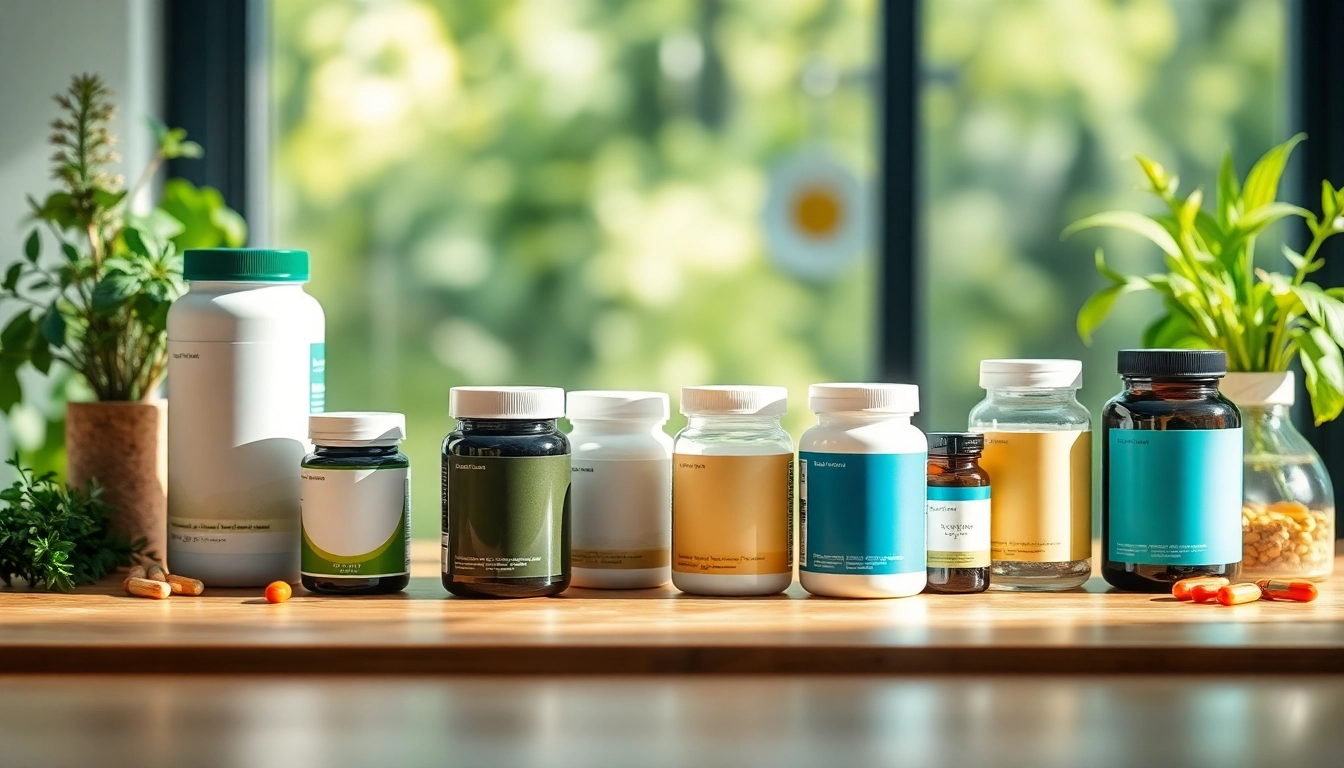
Understanding Nutraceutical Packaging
What is Nutraceutical Packaging?
Nutraceutical packaging refers to the specialized packaging designed for products that provide health benefits beyond basic nutrition, including dietary supplements, vitamins, and functional foods. This packaging plays a crucial role in protecting the product's integrity, ensuring safety, and preserving potency. It encompasses various materials and styles tailored to meet specific product requirements and consumer expectations.
Key Features of Nutraceutical Packaging
When it comes to Nutraceutical Packaging, several key features stand out:
- Barrier Protection: Nutraceutical packaging must safeguard the contents from moisture, air, and light, which can degrade sensitive ingredients.
- Child Resistance: Many nutraceuticals are designed to be child-safe to prevent accidental ingestion.
- Easability of Use: Features like resealable closures or easy-open designs enhance user convenience.
- Information Storage: The packaging must provide essential information about ingredients, usage, and benefits while adhering to regulatory standards.
- Sustainability: With increasing consumer awareness, sustainable packaging options are becoming a priority for brands, focusing on recyclable and biodegradable materials.
Importance of Sustainable Practices
Sustainable practices in nutraceutical packaging are integral to reducing environmental impacts. Brands that adopt eco-friendly packaging solutions not only comply with regulations but also resonate with an environmentally conscious consumer base. This not only helps in brand loyalty but also positively influences purchasing decisions, as consumers are increasingly supportive of brands that prioritize sustainability.
Types of Nutraceutical Packaging Solutions
Flexible Packaging Options
Flexible packaging offers versatility, lightweight characteristics, and durability. Options such as pouches, sachets, and films are designed for a range of nutraceutical products. These materials can provide excellent barrier properties, making them suitable for moisture-sensitive items like herbal supplements.
Advantages of flexible packaging include lower shipping costs due to reduced weight and a high degree of adaptability in design, allowing product information and branding to be showcased effectively.
Rigid Packaging Advantages
Rigid packaging technologies, such as bottles and jars, offer strong protection and a premium feel to the consumer. These types of packaging are well-suited for liquids, powders, and solid forms of nutraceuticals. Their sturdiness also provides a longer shelf life, as they can minimize the risk of breakage and contamination.
One notable benefit of rigid packaging is the opportunity for extensive branding and marketing elements, such as embossed designs or colorful labels that serve not only to inform but also attract consumers on retail shelves.
Innovative Designs in Nutraceutical Packaging
The evolving landscape of nutraceutical packaging is marked by innovative designs that enhance user engagement. Technologies such as QR codes and augmented reality are increasingly integrated into packaging to provide consumers with additional product information, usage tips, or interactive experiences that enhance brand connection.
Moreover, creative packaging shapes, textures, and colors are being used to create a memorable brand identity, helping products stand out in a crowded marketplace.
Choosing the Right Nutraceutical Packaging Materials
Material Options and Their Benefits
Several materials can be employed in nutraceutical packaging, each with its unique properties:
- Plastic: Lightweight, flexible, and cost-effective, plastic is a popular choice for many nutraceutical products due to its versatility and moisture resistance.
- Glass: Glass containers provide an impermeable barrier to gases and moisture, making them an excellent choice for sensitive products. They also offer a premium look and feel.
- Metal: Metal packaging, such as tins or aluminum bottles, offers excellent protection from light and air while also being recyclable.
- Paperboard: Often used in secondary packaging, paperboard can be both sustainable and highly customizable, making it an attractive option for outer packaging.
Factors Affecting Material Choice
Several factors influence the decision on package materials, including:
- Product Characteristics: The nature of the nutraceutical (e.g., liquid vs. solid) can determine the most suitable material.
- Shelf Life Requirements: Products needing longer shelf lives may require materials with superior barrier properties.
- Regulatory Compliance: Some nutraceuticals must comply with strict guidelines regarding packaging materials, especially those involving health claims.
- Consumer Preferences: Preferences for eco-friendly or visually appealing packaging can sway material selection.
Regulatory Considerations
All nutraceutical packaging must comply with local and international regulations. This includes ensuring that labeling provides accurate information and adheres to safety standards. Packaging should not mislead consumers about the product's benefits and must include necessary warnings or disclaimers as required by regulatory authorities.
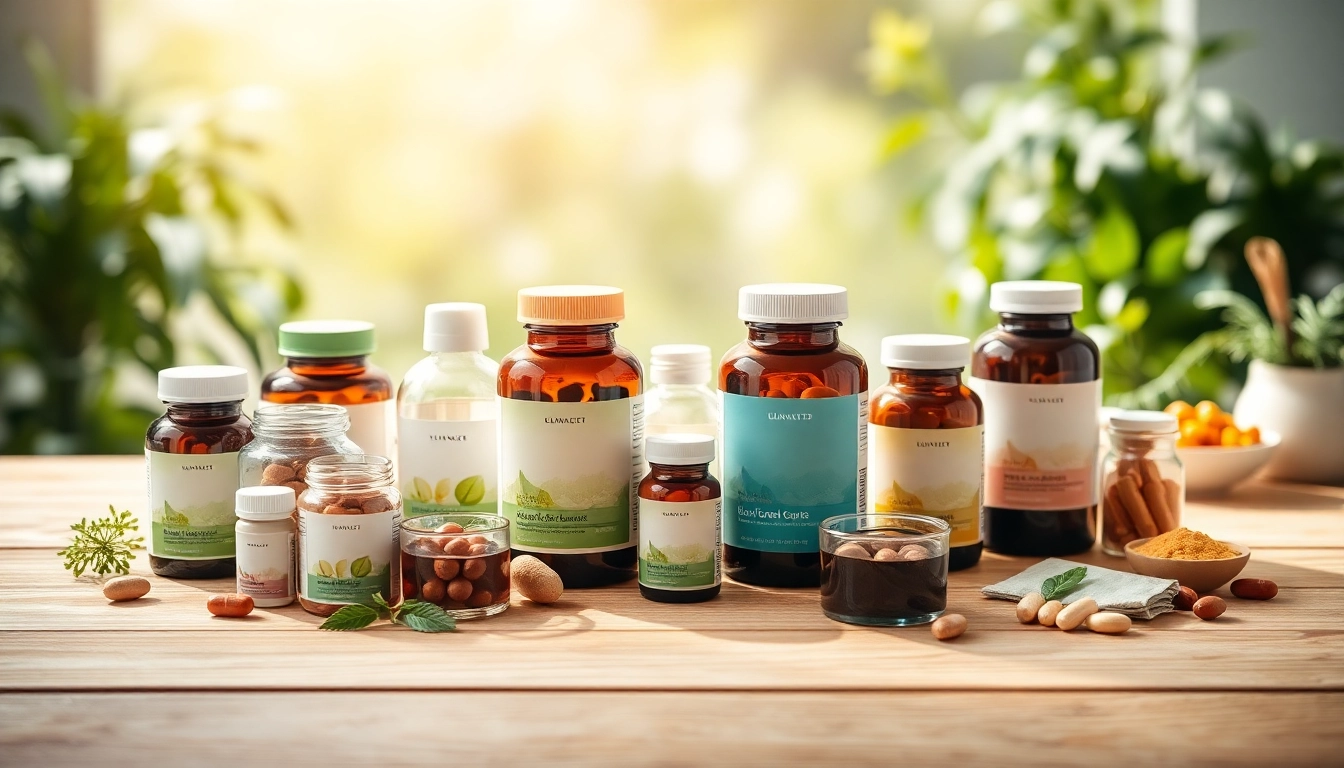
Nutraceutical Packaging and Brand Differentiation
Creating a Unique Brand Identity
A well-designed nutraceutical package can set a brand apart from competitors by creating a distinctive identity. This includes thoughtful use of colors, typography, and imagery, which together convey the brand ethos and product benefits. Brands often use storytelling elements on their packaging to connect with customers on a deeper emotional level.
Packaging as a Marketing Tool
Packaging can effectively serve as a silent salesperson for nutraceutical products. Unique designs and eye-catching visuals can attract customer attention, while clear labeling improves product recognition. Utilizing packaging as a marketing tool can help in communicating brand values, ingredient sourcing, and certifications, thereby building trust with consumers.
Case Studies of Successful Brands
While specific brand names are omitted, various companies have achieved significant traction in the nutraceutical market by innovating their packaging. Successful strategies included introducing eco-friendly materials, interactive QR codes, and adopting modular designs for ease of use. These brands effectively leveraged packaging to boost visibility and enhance customer loyalty.
Future Trends in Nutraceutical Packaging
Advancements in Technology
Emerging technologies are reshaping the future of nutraceutical packaging. Smart packaging with sensors that monitor product freshness and temperature is on the rise. Additionally, innovations like biodegradable films and multi-layered structures are gaining traction for their eco-friendly aspects.
Consumer Preferences and Sustainability
As consumer preferences evolve, sustainability will remain at the forefront. Brands are likely to pursue greener alternatives and transparency in sourcing to meet increasing demands for sustainability. This trend highlights the importance of lifecycle assessments for packaging materials to reduce environmental impacts.
Market Predictions for Nutraceutical Packaging
The nutraceutical packaging market is expected to experience robust growth in the coming years. With advancements in technology, coupled with heightened awareness about health and wellness among consumers, brands are likely to continue investing in innovative packaging solutions that enhance product integrity and consumer engagement.
FAQs
What is nutraceutical packaging?
Nutraceutical packaging is specialized packaging designed to preserve the quality and efficacy of health-related food products, supplements, and dietary aids.
What are common materials used in nutraceutical packaging?
Common materials include plastics for flexibility, glass for premium appeal, metal for sustainability, and paperboard for customization.
How does packaging impact shelf life?
Effective packaging materials provide barriers against moisture, air, and light, significantly extending the shelf life and maintaining product potency.
Why is sustainability important in packaging?
Sustainability in packaging is vital for reducing environmental impact and aligning with consumer preferences for eco-friendly products.
What role does design play in nutraceutical packaging?
Design plays a crucial role in brand differentiation, attracting consumer attention, and conveying critical product information effectively.