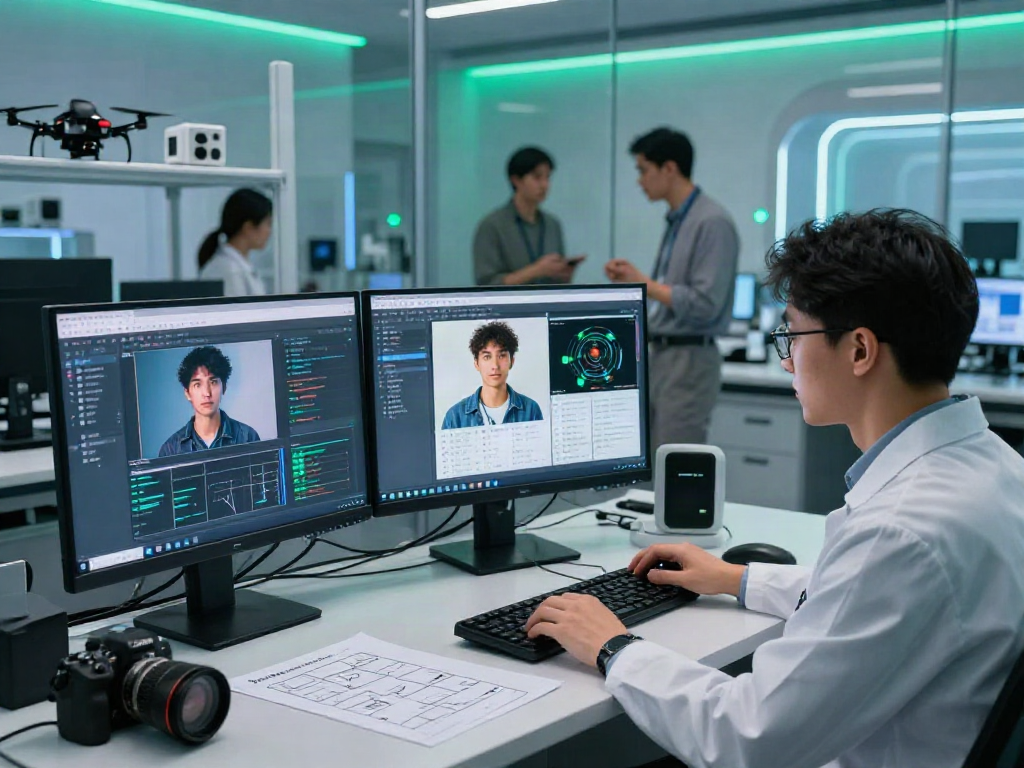
Understanding Deepfake Technology
In today's digital landscape, the rise of artificial intelligence has brought profound changes to how we communicate. One of the most significant advancements—and also one of the most concerning—is deepfake technology. This technology leverages AI to create hyper-realistic videos that can manipulate a person's likeness in real-time, making it increasingly difficult to differentiate between genuine and fabricated content. As such, the implications for online interactions, specifically during video calls, have become critical for personal and professional security. In this article, we will explore the intricacies of deepfake technology and how it affects our daily interactions, particularly through Deepfake protected Online Video Calls.
What Are Deepfakes?
Deepfakes are AI-generated synthetic media in which a person in an existing image or video is replaced with someone else's likeness. The term itself combines "deep learning" and "fake," referencing the machine learning techniques used to create these deceptive images and videos. At their core, deepfakes rely on neural networks, particularly Generative Adversarial Networks (GANs), which train on large datasets to produce convincing results that can often deceive the naked eye.
How Deepfake Technology Affects Video Calls
As video calls become standard for both personal communications and professional meetings, the integration of deepfake technology poses unique challenges. Cybercriminals can impersonate individuals during video communications, leading to potential fraud, identity theft, and emotional distress for those being targeted. This new frontier of deception is particularly alarming as it can undermine trust in one of our most secure forms of communication.
Recognizing Deepfake Manipulations
Recognizing deepfakes in real-time can be challenging without specialized tools, as these fakes are increasingly sophisticated. However, some telltale signs include unnatural facial movements, irregular blinking patterns, and odd audio syncing. Being vigilant and informed about these signs is the first step in protecting oneself during online interactions.
Why Deepfake Protection is Crucial
The necessity for robust deepfake protection systems cannot be overstated. As people and businesses increasingly rely on virtual communication, the stakes are higher than ever. The potential for deepfake technology to undermine personal safety and professional integrity is substantial, necessitating protective measures.
Growing Threats of Deepfake Scams
Deepfake scams have already emerged, targeting individuals and organizations alike. The anonymity and credibility provided by these manipulated videos can lead to significant financial loss and reputational damage. According to recent studies, deepfake-related fraud has increased by nearly 200% in the last year alone, underscoring the urgency for preventive measures.
Impact of Deepfakes on Personal Privacy
Beyond financial implications, deepfakes pose serious risks to personal privacy. An individual’s likeness can be used without consent, leading to exploitation in malicious ways. Victims of deepfake technology often face harassment, identity theft, and long-lasting emotional repercussions, highlighting the dire need for protective strategies that safeguard personal integrity.
Legal Implications of Deepfake Use
The legal landscape surrounding deepfakes is still evolving. While current laws may address privacy rights and intellectual property, the unique characteristics of deepfake technology complicate matters. Many jurisdictions are grappling with how to define and regulate the use of deepfakes in both personal and commercial contexts, leading to a patchwork of legal frameworks that may leave some victims without recourse.
Best Practices for Safe Video Calls
Implementing effective strategies for safe video calls is paramount in today’s digital world. Individuals and organizations must adopt comprehensive security practices to mitigate the risks posed by deepfake technology.
Implementing Verification Techniques
One of the most effective methods of ensuring the authenticity of video calls is to implement verification techniques. This can include using known codes or "safe words" that both parties agree upon prior to meetings. Additionally, verifying the identity of the caller through secondary channels—such as a phone call or instant message—adds an additional layer of security.
Utilizing Multi-Factor Authentication
Employing multi-factor authentication (MFA) for video communication platforms can significantly reduce the chances of unauthorized access. By requiring additional verification methods, such as a fingerprint scan or a secondary password, users can make it much more challenging for deepfake scammers to hijack their calls.
Recognizing Red Flags During Calls
Staying vigilant during video calls is crucial. Users should be mindful of any inconsistencies in the video feed or suspicious behavior from the caller. If a call feels "off" or if responses seem out of character, it is essential to trust your instincts and take precautionary steps, such as ending the call and verifying the identity of the person on the other end.
Technological Solutions for Protection
As the threat of deepfakes continues to grow, so does the development of technological solutions designed to combat them. Several innovative tools are emerging to provide users with real-time protection during video calls.
Deepfake Detection Tools Available
Numerous companies and startups are investing in deepfake detection tools, utilizing AI to analyze and flag potentially manipulated content. These tools can help identify deepfake videos before they cause harm, providing users with peace of mind during virtual interactions. Some of these detection systems can even monitor video feeds in real-time, alerting users if deepfake activity is suspected.
How Software Implements Real-Time Protection
Advanced software solutions are being developed to integrate directly into video conferencing platforms, offering real-time protection against deepfake attempts. Such solutions can compare live video feeds with known facial patterns and voice prints to detect discrepancies that may indicate manipulation.
Future Innovations in Deepfake Security
The ongoing research and development in deepfake technology and AI promise exciting innovations for deepfake security. Future solutions may incorporate advanced biometric authentication methods, such as facial recognition combined with behavioral analytics, ensuring that only authorized individuals participate in sensitive communications.
Conclusion: Evaluating Safety Measures
As we navigate the implications of deepfake technology, evaluating and adopting safety measures becomes increasingly crucial. The landscape of online communication is changing, and so must our strategies for safeguarding our interactions.
Pros of Deepfake Protection Strategies
The benefits of implementing deepfake protection strategies are numerous. By adopting comprehensive security protocols and utilizing advanced detection tools, individuals and organizations can significantly reduce their risk exposure and enhance their overall security posture during online communications.
Cons and Limitations of Current Solutions
Despite the advancements in detection and protection strategies, there remain limitations and challenges. Many detection tools may generate false positives or require significant computational resources, potentially affecting performance during live calls. Additionally, as deepfake technology evolves, so too must our protective measures, necessitating ongoing investment and innovation.
Looking Ahead: Future of Online Call Security
The future of online call security will undoubtedly reflect the ongoing arms race between those creating deepfakes and those developing measures to combat them. As technology continues to evolve, so will the strategies and tools that individuals and organizations employ to ensure their safety. Embracing these innovations and remaining vigilant will be paramount in safeguarding against the emerging threats presented by deepfake technology.