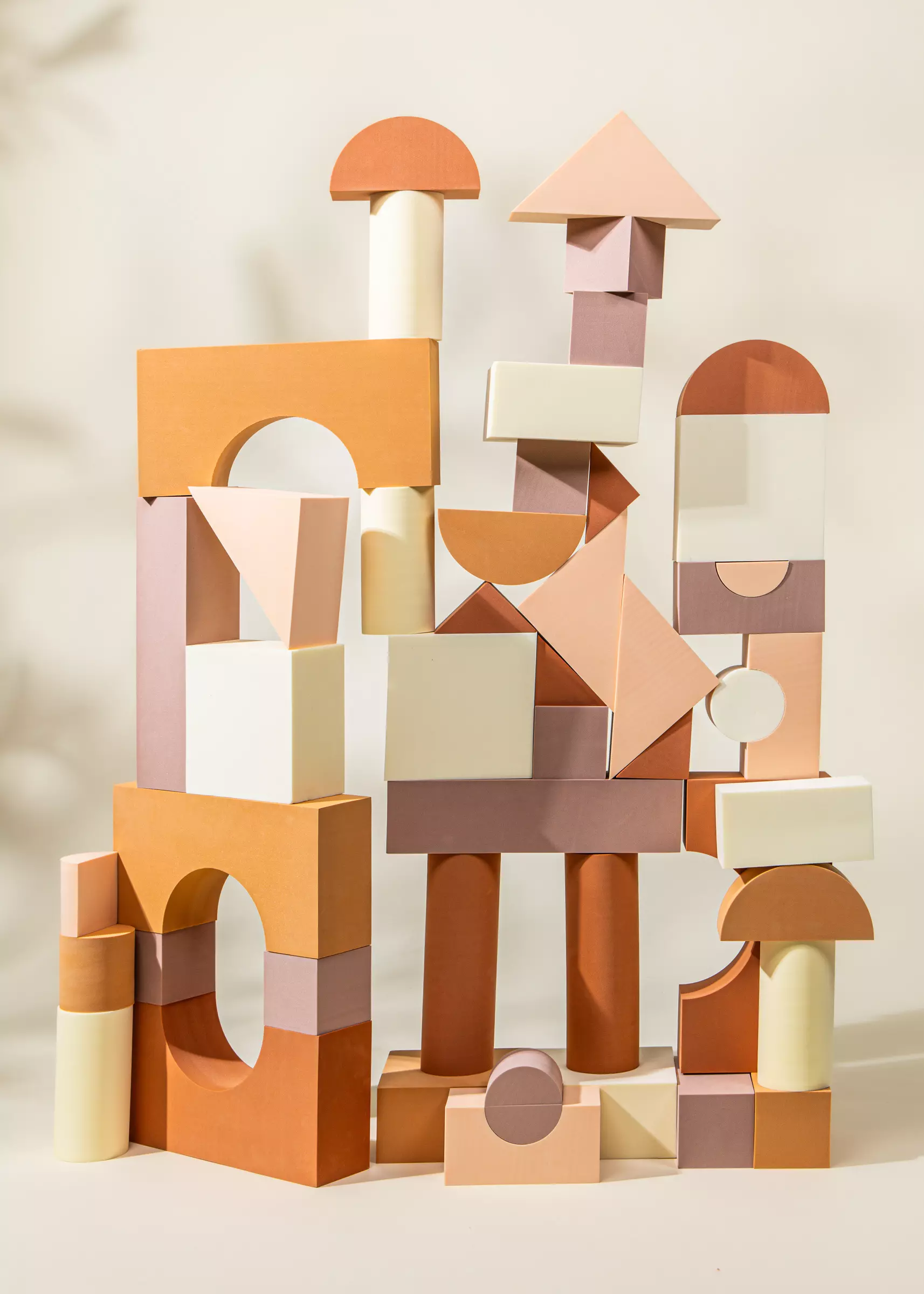
Understanding the Benefits of Giant Building Blocks
Giant building blocks are more than just toys; they are powerful tools for facilitating early childhood development. Through play, children can explore their creativity, enhance their physical skills, and develop social interactions. In this article, we will delve into how giant building blocks can serve as avenues for physical, cognitive, and social growth. To get the details on their benefits, let’s examine them individually.
Physical Development through Play
The act of stacking giant building blocks requires and fosters fine and gross motor skills. This interactive play involves lifting, balancing, and moving blocks of various sizes, which can significantly enhance muscle control and coordination. Children perform actions such as bending, reaching, and pushing, which promote overall physical development and improve core strength. Studies have shown that such playful engagements can help in refining balance and spatial awareness. Moreover, children exercising with these blocks tend to have more energy and improved physical endurance, which sets a positive precedent for active lifestyles.
Cognitive Growth and Problem Solving
Engaging with giant building blocks also nurtures cognitive skills. When children manipulate blocks to create structures, they are indirectly learning principles of physics such as gravity, balance, and stability. This exploratory play encourages problem-solving as they figure out how to achieve desired designs, which often requires critical thinking and adaptability. For instance, they may realize that if a structure is too tall without a solid base, it collapses—an automatic lesson in engineering and science. This type of mindful play inherently builds skills needed for future academic pursuits, especially in STEM fields.
Social Interaction and Teamwork
Giant building blocks are also a catalyst for social interaction and teamwork. Whether in playground settings or at home, when children collaborate to construct larger structures, they develop social skills such as communication and cooperation. They learn to express their ideas, negotiate roles, and even resolve conflicts, all while working towards a common goal. This collective play fosters a spirit of community and belonging, critical for emotional development. Observing how children share and collaborate can provide insights into their interpersonal skills, essential for building friendships and peer relationships.
Popular Designs and Styles of Giant Building Blocks
The world of giant building blocks is bustling with diverse designs and materials, each offering unique benefits. Exploring these options can help parents and educators choose the best fit for their children's needs and play environments.
Soft Foam vs. Other Materials
Soft foam blocks are increasingly popular for indoor play due to their lightweight nature and safety features. Unlike wooden or plastic blocks, foam is soft and less likely to cause injuries during play. This attribute is especially crucial in preschool environments where children may be prone to falls. Additionally, foam blocks provide a quiet play experience, allowing for imaginative play without the loud sounds associated with harder materials. Understanding the pros and cons of each material is essential for making informed decisions based on safety and play needs.
Customizable Sets for Themed Play
Many parents and educators are now opting for customizable block sets, which allow children to create themed environments, such as castles, space stations, or houses. This personalization can significantly enhance the imaginative play experience, making it more immersive and enjoyable. Custom sets can include corresponding figures and accessories to complement the blocks, providing children with endless storytelling opportunities. The creativity ignited through themed play directly contributes to linguistic skills and narrative intelligence.
Choosing the Right Size for Safety and Fun
Size plays a critical role in choosing giant building blocks. Blocks that are too large may be difficult for younger children to handle, while those that are too small may pose a choking hazard. Therefore, it’s essential to select blocks that fit the age and developmental stage of the children engaging with them. Generally, blocks around one-foot size are manageable for toddlers while providing enough heft for construction without being a safety risk. Additionally, larger blocks can lead to collaborative projects and teamwork, which enhances the social aspects of play.
Innovative Play Ideas for Indoor Settings
Indoor environments can sometimes limit the types of play possible, but giant building blocks open a plethora of imaginative adventures even within confined spaces. Here are some innovative play ideas to consider.
Creative Structures to Build Together
Encourage children to work together to design and build their favorite structures. Whether it’s a towering skyscraper, a cozy cabin, or even a spaceship, the collaborative effort can spark creativity and camaraderie. Parents could introduce challenges, such as rebuilding a structure without using certain blocks or creating a design based on a specific theme. These challenges can push children to think creatively while learning about limits and constraints in design.
Incorporating Educational Games
Combine educational play with traditional construction games by infusing learning into the building experience. For example, ask children to build something that represents a letter of the alphabet or a number, thereby simultaneously reinforcing language and numerical concepts. The children can also engage in role-playing scenarios where they embody the objects they've built, such as a shopkeeper in a block-built store. This integration of education and imaginative play fosters a rich learning environment.
Setting Up a Thematic Adventure Zone
Transform any room into a thematic adventure zone by utilizing giant building blocks. For instance, set up a pirate ship in a playroom, complete with a treasure chest made of blocks and accessories representing pirates. Alternatively, create a jungle scene with block-built animals and trees to stimulate storytelling and interactive play. Having an adventure zone encourages children to explore narratives while honing their teamwork and communication skills.
Safety Considerations When Using Giant Blocks
Even with the benefits of playful experiences, safety should always be paramount when it comes to any play equipment. Here are key considerations to keep in mind.
Choosing Non-Toxic and Eco-Friendly Materials
When selecting giant building blocks, safety begins with material choice. Opt for foam blocks that are labeled non-toxic and free from harmful chemicals. Eco-friendly options made from recycled materials can also provide peace of mind in ensuring children's safety. Certifications from reputable organizations can serve as guidelines to verify the safety of the items being purchased. Always prioritize materials that promote both health and environmental kindness.
Designing a Safe Play Area
The environment where the blocks are used should be thoughtfully designed to prevent accidents. Create a delineated area for block play, ideally cushioned with a soft mat to minimize impacts in case of falls. Ensure that the space is free from sharp corners or hard surfaces and that the blocks are stored properly when not in use. Regularly inspect the blocks for wear and tear and maintain a clutter-free environment to allow children to play safely.
Supervision Guidelines for Parents
While children often thrive under the freedom of independent play, direct supervision from an adult is advisable, especially for younger children. Supervisors should be attentive and ready to intervene if play becomes rough or poses a risk of injury. Discussing the rules of play before it begins can also foster awareness and responsibility among children. Regularly involving parents in the play can guide healthy interactions, ensuring all children feel included and engaged.
FAQ: Common Questions about Giant Building Blocks
What age group is best suited for giant foam blocks?
Giant foam blocks are suitable for children aged 2 and up, promoting physical and cognitive development through safe and engaging play.
How do I clean and maintain foam building blocks?
To clean foam blocks, use a mild soap solution and a soft cloth. Avoid harsh chemicals and ensure blocks are dried thoroughly to maintain their longevity.
Can giant blocks be used outdoors?
While many giant blocks are designed for indoor use, some larger, sturdier blocks can be safe for outdoor settings but should be stored away from the elements.
What are the best ways to encourage imaginative play?
To encourage imaginative play, provide various props and themes, set specific challenges, and allow children to collaborate in creating their imaginative scenarios.
Are there specific safety standards for foam blocks?
Yes, foam blocks should adhere to safety standards set by organizations like ASTM and CPSC, ensuring they are free from toxins and safe for children.