Understanding Heart Transplant Programs
The heart transplant program at Cleveland Clinic Abu Dhabi serves as a critical resource for patients facing end-stage heart failure. With an impressive track record and a commitment to patient-centered care, this center not only addresses complex cardiovascular conditions but also innovates in treatment approaches. When exploring options, Heart transplant center Abu Dhabi provides comprehensive insights into the intricacies of heart transplantation, from initial assessment to postoperative care.
What to Expect from a Heart Transplant Center Abu Dhabi?
Choosing a heart transplant center is a significant decision that can impact the trajectory of a patient's health journey. A reputable heart transplant center like the one at Cleveland Clinic Abu Dhabi offers a multidisciplinary approach, integrating various specialties to ensure holistic care. Patients can expect thorough evaluations, tailored treatment plans, and ongoing support throughout the transplant process. The program focuses on advanced medical care, leveraging cutting-edge technology and therapies that enhance patient outcomes.
The Importance of Multidisciplinary Teams
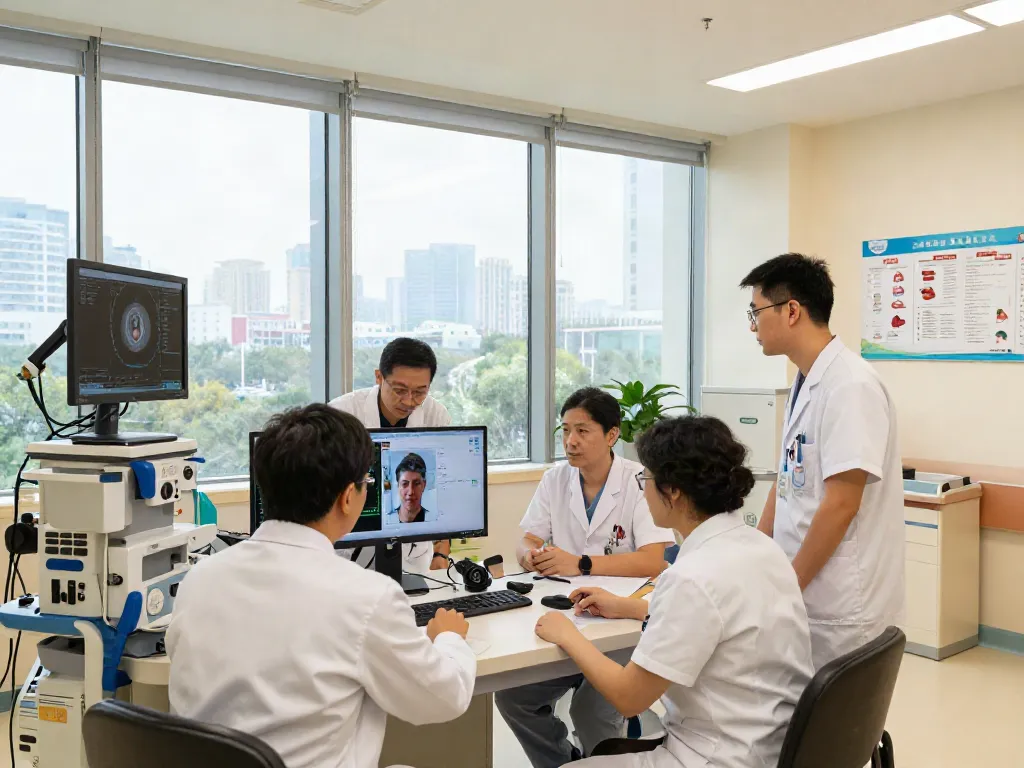
Successful heart transplant procedures require collaboration among diverse specialists. The multidisciplinary team typically includes cardiologists, transplant surgeons, anesthesiologists, nurses, social workers, and nutritionists. Each team member plays a vital role in patient assessment, surgical planning, postoperative care, and rehabilitation. This collaborative model not only improves clinical results but also helps address the emotional and psychological needs of patients and their families.
How Heart Failure is Diagnosed and Treated
Diagnosing heart failure involves a comprehensive evaluation that includes a detailed medical history, physical examination, and diagnostic testing. Common non-invasive tests include echocardiograms, electrocardiograms, and blood tests, which help assess heart function and identify underlying causes. In advanced cases, invasive tests like cardiac catheterization may be necessary. Treatment options vary based on the severity of heart failure and can range from lifestyle modifications and medications to more advanced interventions like heart transplantation.
Evaluating Treatment Options
Non-Surgical vs Surgical Interventions
Patients diagnosed with heart failure may initially undergo non-surgical treatments, including lifestyle changes, medication management, and the use of devices such as pacemakers. However, for many, surgical interventions may be required to restore heart function. Surgical options can include valve repair, coronary artery bypass grafting, or heart transplantation for those in the later stages of heart failure. Each approach carries its own risks and benefits, which should be discussed thoroughly with a healthcare provider.
Innovative Technologies in Heart Transplantation
The field of heart transplantation is rapidly evolving, with advancements in surgical techniques and postoperative care protocols. Innovative technologies, such as remote heart monitoring systems, allow healthcare providers to track patients' heart conditions continuously, which aids in timely interventions. Furthermore, the introduction of artificial hearts and enhanced organ preservation methods has expanded the eligibility criteria for heart transplantation, saving countless lives.
Patient-Centered Care Approaches
At Cleveland Clinic Abu Dhabi, the focus is on patient-centered care that respects the unique needs and preferences of each individual. This approach encompasses comprehensive pre-operative education, transparent communication about risks and benefits, and post-operative support tailored to each patient's recovery goals. By prioritizing patient engagement, the program fosters a supportive environment that helps patients navigate their treatment journey effectively.
Patient Success Stories
Case Study: Innovative Surgical Techniques
One of the remarkable success stories from Cleveland Clinic Abu Dhabi involves Moussa Abd ElRaihim Elgohary, who became the first person globally to undergo a revolutionary surgical technique for an abdominal aortic aneurysm. This innovative 'modified branch-first' surgical method minimized surgical risks, allowing for a faster and safer operation. His timely intervention and the expertise of the surgical team not only saved his life but also prevented complications that typically arise from such serious conditions.
Remote Monitoring for Heart Patients
Diana Barreto, a 52-year-old resident of Abu Dhabi, exemplifies how remote heart monitoring can enhance patient safety and quality of life. Living with a pacemaker, Diana previously faced limitations due to her condition. However, with remote monitoring technology, her heart's activity is continuously assessed, allowing for quick medical responses if abnormalities arise. This innovative approach has given her peace of mind, enabling her to engage in activities she loves, such as salsa dancing.
Real-life Testimonials from Heart Transplant Recipients
Patient testimonials reveal the transformative impact of heart transplantation on quality of life. Recipients often describe a renewed sense of hope and vitality post-surgery. Their stories highlight the resilience of the human spirit and the critical role healthcare teams play in facilitating recovery. Sharing these narratives not only inspires patients facing similar challenges but also underscores the importance of choosing a reputable heart transplant program.
Insurance and Financial Considerations
Understanding Coverage Options with Trusted Insurance Partners
Navigating insurance options for heart transplant procedures can be complex. Cleveland Clinic Abu Dhabi partners with numerous insurance providers to offer patients coverage that aligns with their needs. It is essential for patients to review their insurance policies carefully, ensuring they understand what procedures are covered, any potential out-of-pocket expenses, and the process for obtaining pre-approval for treatments.
Cost Implications of Heart Transplant Procedures
The financial aspect of heart transplantation can be significant, encompassing pre-operative evaluations, the surgery itself, and long-term follow-up care. Patients should be prepared for various costs associated with the transplant process, including hospitalization, medications, and potentially rehabilitation services. Financial counseling services provided by the healthcare facility can help patients understand and manage these costs efficiently.
Financial Support Resources for Patients
For patients facing financial challenges, several resources can provide assistance. Many nonprofit organizations and foundations offer grants or financial aid for transplant-related expenses. Patients are encouraged to inquire about available financial support programs at their healthcare facilities, which can alleviate some of the financial burdens associated with heart transplantation.
Future Trends in Heart Transplantation
Emerging Technologies and Techniques for 2026
The landscape of heart transplantation is poised for remarkable advancements by 2026. Emerging technologies such as 3D printing for organ modeling, advancements in artificial intelligence for preoperative planning, and stem cell therapies for heart regeneration are gaining traction. These innovations promise to enhance surgical precision and patient outcomes, making heart transplantation safer and more accessible.
Predictions for Heart Care Advancements
Future trends in heart care are likely to emphasize personalized medicine, utilizing genetic insights to tailor treatments to individual patients. Predictive analytics may also play a role in preventing heart failure, enabling early intervention and management strategies. Such advancements could significantly improve the prognosis for patients at risk of developing heart failure.
How to Stay Informed About New Developments
Staying informed about the latest developments in heart transplantation is crucial for patients and caregivers alike. Regularly consulting reputable medical sources, following the latest research publications, and engaging with healthcare professionals can provide vital updates. Additionally, attending patient education seminars and support groups can be beneficial for gaining insights into evolving treatment practices and technologies.